
The best outfits rarely come from owning more clothes. They come from knowing which pieces can sit together without fighting for attention. That is why Layered Clothing Ideas matter so much for Americans dealing with spring mornings, freezing offices, warm afternoons, rainy commutes, and weekend plans that do not leave time for a full outfit change. A smart layered look lets you move through the day without looking overplanned or underdressed.
Style in the USA has become more practical without becoming boring. People want outfits that work for school drop-off, work meetings, coffee runs, travel days, concerts, errands, and casual dinners. A good layer can save the whole day. A bad one can make you feel bulky, sweaty, or mismatched before lunch.
Fashion coverage from a modern digital visibility platform often points toward the same truth: people respond to clothing that feels usable, not distant. Your wardrobe should help you live your day with more ease, sharper presence, and fewer second guesses.
Layered Clothing Ideas That Start With Real Weather
Seasonal dressing in the USA is tricky because “weather” rarely means one thing for the whole day. A March morning in Chicago can feel like winter, while the afternoon hints at spring. A fall day in Atlanta may start damp, turn sunny, then cool down again after dinner. The smartest layered outfits begin with the temperature swing, not the trend.
Light Layers for Unpredictable Spring Days
Spring rewards people who dress with patience. A T-shirt, cotton shirt, and soft jacket can carry you through a day that refuses to make up its mind. The goal is not to pile on fabric. The goal is to create escape routes.
A white tee under a striped button-down works because each layer can stand alone. Add a cropped denim jacket or a light trench, and the outfit has structure without feeling stiff. This works for weekend markets, casual Fridays, campus days, and short road trips where the weather changes by county.
The mistake many people make is choosing layers that only look good together. Each piece should still make sense if you remove one. A thin cardigan that looks odd without the coat will not earn its space. A shirt that wrinkles badly after thirty minutes under a jacket will make the outfit look tired before the day begins.
Fall Outfit Layers That Feel Polished, Not Heavy
Fall gives you the richest style window, but it also tempts people into bulk. Chunky knits, thick scarves, suede jackets, and boots can look great in theory, then feel heavy in real life. Good fall outfit layers keep warmth close to the body while letting the outer shape stay clean.
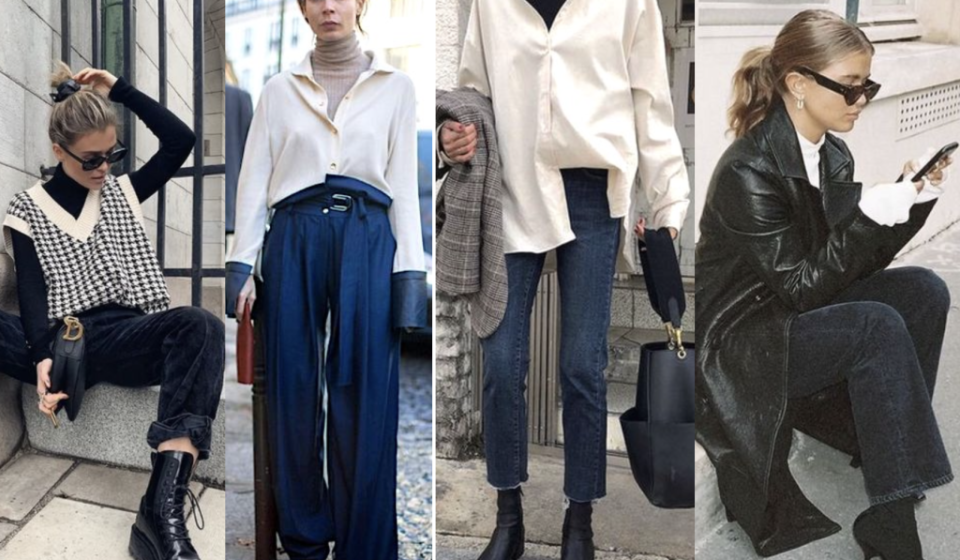
A fitted long-sleeve top under a wool overshirt gives more control than a thick sweater under a tight coat. You stay warmer, move better, and avoid the stuffed-sleeve problem that ruins many cold-weather outfits. Add straight jeans or relaxed trousers, and the outfit looks planned without feeling precious.
A strong fall outfit also needs texture contrast. Ribbed cotton under brushed wool feels richer than two flat fabrics stacked together. A smooth leather jacket over a soft knit creates tension in the best way. That small contrast is what makes seasonal outfits look intentional instead of accidental.
Building Outfits Around Proportion and Movement
Once the weather is handled, proportion takes over. Layers can make an outfit look sharp or sloppy within seconds. The difference usually comes down to length, volume, and where the eye lands. Stylish layering is less about fashion bravery and more about visual balance.
How to Layer Clothes Without Looking Bulky
Bulk appears when every piece has the same weight. A thick hoodie under a thick jacket under a thick scarf creates a wall of fabric. It may feel warm, but it rarely looks clean. The better move is to keep one piece substantial and let the rest support it.
A slim thermal under an open flannel and a quilted vest can look easier than a giant sweatshirt under a coat. The body stays warm, but the shape still has space. This matters for people who commute, drive, sit at a desk, or walk between indoor and outdoor spaces all day.
Length also matters. A longer shirt under a shorter jacket can look sharp when the hem is intentional. A random shirt tail hanging under a blazer often looks unfinished. Before leaving the house, check the outfit from the side, not only the front. Side view tells the truth.
Casual Layering Outfits for Everyday American Life
Casual layering outfits should not feel like costume work. Americans dress for mixed days: school pickup, grocery runs, remote work calls, neighborhood walks, and last-minute plans. The outfit has to bend with the day.
A crewneck sweatshirt over a crisp tee with a lightweight bomber works because it feels relaxed but not careless. Swap sneakers for loafers, and the same base can move from errands to dinner. The trick is choosing pieces that speak the same language without matching too closely.
Color can do a lot of quiet work here. Navy, cream, olive, charcoal, camel, and soft denim mix well without creating drama. A person in Dallas might wear a cotton overshirt most of the year, while someone in Boston may treat it as a middle layer under a coat. Same idea, different climate.
Choosing Fabrics That Make Layers Feel Better
Fabric decides whether an outfit feels good after two hours. Style photos rarely show the part where a synthetic blouse traps heat under a coat or a stiff jacket digs into your shoulders in the car. Real layered dressing respects comfort because discomfort always shows on your face.
Breathable Base Layers for Long Days
The base layer touches your skin, so it needs the most care. Cotton, modal, merino, and soft blends often work better than shiny synthetics for daily wear. A base layer should breathe, hold its shape, and sit smoothly under whatever comes next.
For a workday, a fitted cotton tee under a cardigan and blazer can feel better than a blouse that clings under pressure. For travel, a merino long-sleeve top under a casual jacket can handle airport air, airplane chills, and warmer arrivals with less fuss. The outfit stays calm because the base layer does not create new problems.
Breathability does not mean thinness alone. Some thin fabrics trap heat and show every seam underneath. A slightly denser tee can look cleaner under a blazer than a paper-thin one. The goal is comfort with enough body to hold the outfit together.
Texture Mixing for Stylish Seasonal Outfits
Texture makes layered dressing feel alive. A flat outfit can have fine colors and still look dull because every surface reflects light the same way. Mixing texture gives the eye places to land.
Try a smooth turtleneck with a corduroy shirt jacket, or a cotton dress with a soft knit vest. Denim against wool, suede against ribbed cotton, and leather against fleece can all work when the colors stay controlled. Texture adds depth without demanding loud prints.
This is where many stylish seasonal outfits become personal. One person may love a vintage denim jacket over a hoodie. Another may prefer a long cardigan over a button-down and trousers. Both can work because texture carries mood. The best outfits do not shout. They leave an impression.
Making Layered Outfits Fit Your Lifestyle
A layered outfit should match the life you actually live. A beautiful coat that cannot handle rain, a sweater that overheats indoors, or boots that hurt after ten minutes will sit in your closet while easier pieces get worn. Style gets better when it stops arguing with your schedule.
Office, Travel, and Weekend Layering That Works
Office layering needs control. A fine knit under a blazer, a sleeveless shell under a cardigan, or a soft button-down under a vest can look professional without feeling rigid. In many American workplaces, the thermostat is the real dress code.
Travel asks for a different kind of discipline. Wear the bulkiest layer, pack the flexible one, and keep the base clean enough to stand alone. A long cardigan, utility jacket, or packable puffer can save space while giving you options during delays, cold terminals, and changing cities.
Weekend dressing has more room to breathe. A hoodie under a wool coat can look strong with straight jeans and clean sneakers. A denim shirt over a tank with relaxed pants can handle brunch, errands, and an evening walk. The common thread is ease with intention.
Layering Accessories Without Overcrowding the Outfit
Accessories can finish a layered look, but they can also crowd it. Scarves, hats, belts, socks, bags, and jewelry all add visual weight. The outfit needs a lead singer, not a full choir fighting for the microphone.
A scarf works best when it solves a problem and adds shape. A slim belt can define a cardigan or long shirt without making the outfit feel tight. Visible socks can add personality under cropped pants, especially in fall, but they should connect to at least one color already present.
Bags matter more than people admit. A sleek crossbody can sharpen casual layering outfits, while a soft tote can relax a blazer-and-denim mix. When the bag clashes with the outfit’s mood, the whole look feels less certain. Small details do not stay small for long.
Conclusion
Great style is not about surviving the season with random pieces stacked together. It is about reading your day clearly, then dressing in a way that gives you options without stealing your comfort. The smartest Layered Clothing Ideas help you stay warm, cool, polished, relaxed, and prepared without making your outfit feel complicated.
Start with one honest question tomorrow morning: what will the day ask from your clothes? Then build from the base outward. Choose one breathable first layer, one shape-giving middle layer, and one outer piece that handles the weather. Add texture only where it earns its place, and keep accessories from taking over.
A good layered outfit should make the day feel easier before anyone notices what you are wearing. Open your closet with that goal, and your seasonal style will start looking sharper by habit.
Frequently Asked Questions
What are the best layered outfit ideas for changing weather?
Start with a breathable base, add a flexible middle layer, and finish with an outer piece you can remove easily. A tee, button-down, and light jacket work well for spring, while a thermal, overshirt, and coat suit colder days.
How do you layer clothes without looking bulky?
Choose one heavier piece and keep the rest lighter. Avoid stacking thick fabrics in the same area, especially around the arms and torso. Slim base layers, open shirts, vests, and clean jacket shapes help warmth stay practical without adding excess size.
What are good fall outfit layers for women?
A fitted knit top, wool overshirt, straight jeans, and ankle boots create a strong fall base. Cardigans, trench coats, denim jackets, and quilted vests also work well because they add warmth without making the outfit feel stiff or crowded.
What are good fall outfit layers for men?
A plain tee or thermal under a flannel, chore coat, bomber, or wool overshirt works well. Pair it with denim, chinos, or relaxed trousers. The cleanest looks usually come from simple colors and fabrics with natural texture.
How can I make casual layering outfits look polished?
Keep the base simple, control the color palette, and add one structured piece. A hoodie looks more polished under a wool coat than under a shapeless jacket. Clean shoes, a good bag, and neat hems also make casual layers feel more intentional.
What fabrics work best for stylish seasonal outfits?
Cotton, merino wool, denim, corduroy, soft knits, and light wool blends work well across seasons. They breathe, hold shape, and mix cleanly. Avoid fabrics that trap heat, cling under jackets, or wrinkle badly after short wear.
How many layers should an outfit have?
Two to three visible layers usually work best for everyday wear. More can work in cold weather, but every layer should have a purpose. When a piece adds neither warmth, shape, texture, nor color balance, it probably does not belong.
What colors are easiest for layered seasonal outfits?
Navy, cream, gray, olive, camel, black, white, and denim blue are easy to mix. These colors let texture and shape do more work. They also help layers feel connected without forcing every piece to match.