
A room rarely feels unfinished because it lacks money. It feels unfinished because the details have no point of view. The right home accent ideas turn plain rooms into places that feel lived in, chosen, and tied to the people who use them every day. Across American homes, from compact city apartments to wide suburban layouts, accents do more than fill empty corners. They tell visitors what you notice, what you value, and how you want daily life to feel.
Good style does not start with buying more. It starts with noticing what already works, then adding pieces that give the room stronger rhythm. A small lamp can soften a harsh corner. A framed print can make a hallway feel less forgotten. A textured throw can make a sofa feel less like furniture and more like an invitation.
For homeowners comparing design habits, lifestyle content, and fresh home inspiration, creative living and style resources can help sharpen the eye before the shopping starts. The goal is not to copy a showroom. The goal is to build rooms that feel personal without looking cluttered.
Home Accent Ideas That Give Every Room a Clear Personality
Personal style gets lost when a room tries to please everyone. The safest spaces often become the least memorable ones, especially when every surface stays neutral, every wall stays bare, and every piece feels chosen by default. A strong room needs a few decisions that show taste, even if those decisions are quiet. That is where accents earn their place.
Why personalized home decor should start with mood, not objects
A good room begins with the feeling you want to return to at the end of the day. Some people want calm after a loud commute. Others want energy because their home doubles as a gathering spot. When you choose personalized home decor before choosing a mood, the room can end up full but still confused.
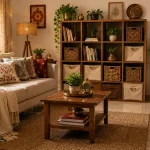
Think about a living room in a busy American household. The sofa may already be set, the television may already dominate one wall, and the coffee table may collect everything from mail to game controllers. Adding accent pieces without a clear mood only adds noise. A warm table lamp, one large woven basket, and a few grounded textiles can shift the whole room toward comfort without adding chaos.
The better question is not “What should I buy?” It is “What should this room help me feel?” That question cuts through trends fast. It also protects you from buying objects that look nice online but feel wrong once they sit beside your actual furniture.
How accent pieces create identity without taking over
Accent pieces work best when they support the room instead of fighting for attention. A sculptural vase, a vintage mirror, a patterned pillow, or a small side table can change the personality of a space, but only when it has room to breathe. Too many accents compete like people talking over one another.
A common mistake is spreading tiny objects across every shelf. The eye gets tired. Instead, group smaller items into tighter moments. A stack of books, a ceramic bowl, and a small framed photo can feel intentional on one console. The same three items scattered across different surfaces may feel accidental.
One strong object often beats five weaker ones. A bold lamp in a reading corner says more than a row of bargain-store figurines. This is the part of decorating that people learn the hard way: personality does not come from volume. It comes from selection.
Layering Texture, Color, and Scale Without Making Rooms Feel Busy
After a room gains direction, the next challenge is balance. Many homes feel flat because every finish has the same smooth surface, the same middle tone, and the same safe size. A room needs contrast, but contrast needs discipline. Too little feels bland. Too much feels restless.
What room styling ideas work best for small American spaces?
Small homes and apartments need accents that work harder. Every item should add either beauty, storage, comfort, or visual height. Room styling ideas for smaller spaces often fail when they treat compact rooms like miniature versions of large ones. That does not work. Small rooms need sharper choices.
A narrow entryway, for example, may not have space for a full console table. It may still handle a slim wall shelf, a round mirror, and two hooks in a warm finish. That small setup gives the space purpose before anyone walks into the living room. It also prevents shoes, keys, and bags from creating instant mess.
Scale matters more than people think. A tiny rug in a small room can make the room feel even smaller. A larger rug that reaches under the furniture can make the space feel settled. The same rule applies to art. One larger print often looks cleaner than six small frames floating without order.
How decorative home accessories can add warmth to neutral rooms
Neutral rooms are not the problem. Lifeless neutral rooms are. Beige, white, gray, cream, and taupe can look rich when they carry texture and depth. They fall flat when every surface feels smooth, cold, and untouched. Decorative home accessories solve that problem when they add contrast you can almost feel.
A linen shade, a clay planter, a wool throw, and a ribbed glass vase all sit in the same color family, yet they do not read the same way. That mix creates warmth without shouting. It lets a quiet room stay quiet while still feeling cared for.
Color can enter gently too. A muted rust pillow, a navy tray, or a soft green ceramic piece can wake up a neutral room without hijacking it. The trick is repetition. One blue object may look random. Three blue notes, spread across the room, start to feel like a design choice.
Using Walls, Corners, and Surfaces More Intentionally
Many homes waste their best design chances because the obvious furniture gets all the attention. Sofas, beds, and dining tables matter, but walls, corners, shelves, mantels, and windows decide whether a room feels complete. These areas act like the pauses in a conversation. Ignore them, and the room feels unfinished.
Why blank walls need restraint before decoration
A blank wall can make people nervous. The instinct is to fill it fast, often with art that means nothing or frames that do not fit the room. Restraint helps. Not every wall needs a statement, and not every statement needs to be large. The best wall choices feel connected to the room’s purpose.
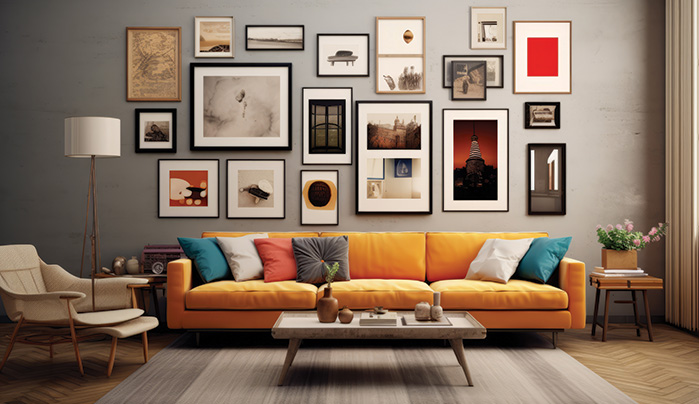
A dining area may benefit from one generous piece of art that holds the wall with confidence. A hallway may need a tighter gallery of family photos because movement makes smaller details easier to enjoy. A bedroom might need almost nothing above the bed if the bedding, lamps, and curtains already carry enough weight.
Personalized home decor becomes stronger when it leaves room for quiet. Empty space is not failure. It gives the eye a place to rest, and that rest makes the chosen accents feel more meaningful.
How shelves and tabletops can look collected instead of crowded
Shelves expose habits. A crowded shelf says someone kept adding without editing. A bare shelf says someone gave up. The middle ground feels collected, and it usually comes from mixing height, shape, and purpose.
Start with the largest items first. Books, baskets, framed art, and pottery can anchor a shelf before smaller decorative home accessories enter the scene. Once the anchors are in place, add smaller pieces only where they strengthen the arrangement. A shelf should not look like storage pretending to be style.
Tabletops need the same discipline. A coffee table can hold a tray, a book, and one object with texture. A nightstand can hold a lamp, a small dish, and a personal item. That is enough. Surfaces should help daily life, not turn every cleaning session into a negotiation.
Making Accents Feel Personal Instead of Trend-Driven
The hardest part of decorating is resisting the pressure to make your home look current at the cost of making it feel yours. Trends move fast. Homes move slower. The best accents can age with you because they connect to memory, function, or taste rather than a short-lived style cycle.
Which accent pieces are worth keeping for years?
The accents worth keeping usually have one of three traits: they are well made, they carry a personal link, or they solve a daily problem beautifully. A handmade bowl from a local market can outlast a trendy sculpture. A solid brass lamp can move from a bedroom to a study without losing its charm. A framed photo from a family trip can hold more weight than expensive wall art with no story behind it.
This does not mean every accent needs deep meaning. Some objects earn their place because they make a room look better. That is allowed. Still, a home built only on trendy purchases can start to feel anonymous. It may look polished, but it does not feel rooted.
Room styling ideas become more useful when they leave space for memory. A child’s drawing in a clean frame, a quilt from a relative, or a book stack that reflects what you actually read can bring more life into a room than another matching decor set.
How to refresh a room without starting over
A room refresh does not require a full redesign. Most homes need editing before they need shopping. Remove the items that no longer fit, shift accents between rooms, and look at what suddenly feels better in a new spot. A lamp from the bedroom may solve a dark living room corner. A mirror from the hallway may give a dining room more depth.
Seasonal changes help when they stay practical. Swap pillow covers, rotate throws, change stems in a vase, or replace a heavy table centerpiece with something lighter. These small changes keep a room awake without sending you into a cycle of constant buying.
Home accent ideas work best when they help your home grow with you. The right details make rooms feel alert, warm, and honest without begging for attention. Start with one room, remove what feels tired, and choose the next accent with purpose. A personal home is built decision by decision, not cart by cart.
Frequently Asked Questions
What are the best home accents for a living room?
Start with accents that affect comfort and focus: lamps, pillows, throws, wall art, trays, and one or two textured objects. A living room should feel easy to use first. Once comfort works, decorative choices can add personality without making the space feel crowded.
How do I choose accent colors for my home?
Pull accent colors from something already in the room, such as a rug, artwork, curtain fabric, or wood tone. Repeat the color in small ways across the space. This keeps the palette connected and prevents one bright object from looking random.
How many accent pieces should a room have?
There is no fixed number, but every accent should earn its spot. A small room may need only five or six strong pieces, while a larger room can handle more. When cleaning feels annoying because of decor, the room likely has too much.
What makes personalized home decor look tasteful?
Tasteful personal decor balances meaning with editing. Display the items that tell a story, but give them space and context. A framed photo, handmade bowl, or travel piece looks better when paired with calm surroundings instead of crowded among unrelated objects.
How can I decorate shelves without making them messy?
Use larger anchor pieces first, then layer in smaller items. Mix books, baskets, pottery, framed art, and negative space. Avoid lining up many tiny objects across every shelf. Grouping items in small clusters creates order and makes the display easier to read.
What are affordable ways to update room styling?
Move pieces between rooms, replace pillow covers, add a better lamp, frame existing art, or change a rug placement. Small edits can shift the whole mood. The smartest updates often come from rearranging what you already own before buying anything new.
Are decorative home accessories worth buying online?
Online shopping works well for pillows, trays, lamps, mirrors, and small objects when dimensions are checked carefully. Texture and color can look different on a screen, so read measurements and reviews closely. For larger statement pieces, seeing materials in person helps.
How do I avoid making my home look too trendy?
Mix current accents with pieces that have personal meaning, natural materials, and classic shapes. Avoid buying every item from the same trend at once. A home feels stronger when it reflects your life, not only what stores are promoting this season.