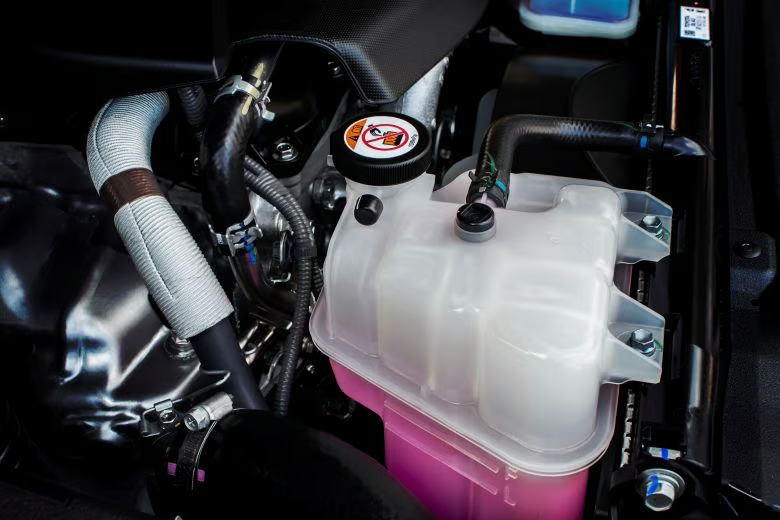

A hot engine never starts as a disaster. It starts as a small warning you almost ignore: a needle creeping higher than usual, a faint sweet smell after parking, a fan running longer than it should. That is where Engine Cooling Tips become more than garage talk; they become the difference between a car that stays dependable and one that drains your wallet at the worst possible time.
For American drivers, the strain is real. Summer traffic in Phoenix, mountain pulls in Colorado, stop-and-go commutes in Atlanta, and long interstate drives across Texas all punish the cooling system in different ways. A smart owner does not wait for steam under the hood before paying attention. Good cooling habits protect the engine before heat gets the chance to turn metal, rubber, and fluid into an expensive mess. Drivers who care about long-term vehicle value often follow trusted auto ownership guidance from resources like practical vehicle care insights because the right habits pay off mile after mile.
Why Heat Control Matters Before Trouble Starts
Heat is not the enemy by itself. Every gas-powered vehicle needs heat to run well, but the problem begins when that heat stops being managed. The cooling system sits in the background doing quiet work, moving coolant, pulling air through the radiator, opening the thermostat, and keeping the car engine temperature within a safe range. When one small part slips out of rhythm, the whole engine feels it.
What Does Your Cooling System Actually Protect?
Your cooling system protects far more than the temperature gauge suggests. It shields the head gasket, engine block, cylinder head, water pump, hoses, radiator, thermostat, and even nearby sensors from heat stress. When coolant system care gets ignored, parts that should last years can weaken in a single brutal drive.
A driver may think, “The car still runs, so it must be fine.” That thinking gets people stranded. An engine can run while it is being damaged. Heat can warp metal, thin oil, crack plastic fittings, and cook seals before the dashboard throws a dramatic warning.
This is why vehicle overheating prevention starts before the red zone. You are not waiting for failure. You are reading small clues early and acting while the repair still costs less than a weekend trip.
Why Modern Engines Give Less Room for Neglect
Older vehicles often gave drivers more warning before serious overheating. Many modern engines run tighter, hotter, and more efficiently, which means they leave less room for lazy maintenance. Smaller engine bays also trap heat, especially when the air conditioning works hard in July traffic.
Radiator maintenance matters even more because cooling parts often sit packed behind grilles, plastic covers, sensors, and fans. A clogged radiator, weak cap, or tired hose may not look dramatic from the outside. Under pressure, though, that weak point can break fast.
The counterintuitive part is simple: a newer car does not excuse you from checking the cooling system. In some cases, it demands better attention because one failed plastic connector can trigger a chain reaction you never saw coming.
Engine Cooling Tips That Fit Real Driving Conditions
Good advice only works when it matches how people drive. A family SUV idling outside a school in Florida faces different heat stress than a pickup towing through Arizona or a commuter car crawling through Los Angeles traffic. Engine Cooling Tips should fit the road, the season, and the way you actually use the vehicle.
How Should You Check Coolant Without Guessing?
Coolant checks should happen when the engine is cool, not when heat and pressure are waiting under the cap. Look at the reservoir level first, using the markings on the tank. If the level keeps dropping, do not keep topping it off and pretending the problem is solved.
A slow coolant loss tells a story. It may point to a hose seep, radiator leak, water pump issue, heater core problem, or cap failure. Small drops on the driveway, a sweet smell near the grille, or crusty residue around hose ends all deserve attention.
Coolant system care also means using the correct fluid type. Mixing random coolant from a gas station shelf can create trouble inside the system, especially in vehicles that require specific formulas. Your owner’s manual matters here. So does common sense.
Why Does Stop-and-Go Traffic Stress Cooling Parts?
Highway driving moves air through the radiator naturally. City traffic does not. When you sit in bumper-to-bumper traffic with the air conditioner running, your cooling fan has to do the heavy lifting. If that fan weakens, cycles late, or fails, the car engine temperature can climb even though nothing feels wrong at first.
This is where many drivers miss the clue. The car may behave fine on the freeway but run hot at red lights. That pattern often points toward airflow trouble, not a mystery engine curse.
Vehicle overheating prevention in traffic comes down to watching patterns. If the gauge rises while stopped and drops once moving, pay attention. That is not personality. That is a cooling system asking for help before it quits in front of everyone at an intersection.
Maintenance Habits That Keep Cooling Parts Alive
Cooling system repairs often become expensive because owners wait until one part fails loudly. The smarter move is boring maintenance. Boring wins. A fresh hose, clean radiator fins, correct coolant, and a working thermostat will never feel exciting, but they can save an engine when the weather turns ugly.
When Does Radiator Maintenance Make the Biggest Difference?
Radiator maintenance matters most before heavy heat arrives. Spring is the right time for many American drivers to inspect the radiator, fan, cap, hoses, and coolant condition. Waiting until August is like checking your roof during the storm.
Leaves, bugs, road grit, and dirt can block airflow across the radiator fins. A radiator does not need to be packed solid to lose efficiency. Even partial blockage can make the fan work harder and make the system run hotter during long idles or uphill pulls.
A good inspection looks for bent fins, leaks, corrosion, weak mounts, damaged fan blades, and swollen hoses. The radiator cap also deserves respect. That small cap helps hold system pressure, and weak pressure control can lower the system’s ability to resist boiling.
How Often Should Coolant System Care Be Scheduled?
Coolant does not last forever. Over time, it loses protective strength and can allow corrosion, scale, or deposits inside the system. That hidden buildup can reduce heat transfer and create hot spots inside the engine.
The right service interval depends on the vehicle, coolant type, climate, and mileage. Some systems run longer-life coolant, while others need service sooner. The owner’s manual gives the baseline, but harsh use should push you toward earlier inspections.
Towing, mountain driving, desert heat, and frequent short trips all change the story. A driver who treats every schedule as equal misses the point. Maintenance should match the life the vehicle actually lives, not the calm fantasy printed for ideal conditions.
Warning Signs You Should Never Brush Off
Cooling system problems rarely appear out of nowhere. They whisper first. The warning might be a small puddle, a gauge that sits one tick higher, a heater that blows cold air at idle, or a fan that sounds like it is fighting for its life after shutdown. Listening early is cheaper than apologizing to your bank account later.
What Does Rising Car Engine Temperature Mean?
A rising car engine temperature means heat is entering the system faster than the system can remove it. That can happen from low coolant, poor airflow, thermostat failure, water pump problems, radiator blockage, trapped air, or even a failing head gasket.
The dangerous mistake is assuming the gauge will always warn you in time. Some vehicles use damped gauges that stay steady until the problem grows serious. Others depend on warning lights that may appear after damage has already started.
If the temperature rises, reduce heat load. Turn off the air conditioner, turn on the heater if safe, and pull over when you can do so without risk. Never remove a hot radiator cap. Hot coolant under pressure can burn skin badly, and no repair bill is worth that kind of injury.
Why Does a Small Leak Deserve Fast Action?
A small leak does not stay small because the cooling system works under pressure. Heat cycles expand and contract rubber, plastic, clamps, and seals. What leaves one drop today can dump half the reservoir next week.
Coolant stains often appear as white, green, orange, pink, or blue crust around fittings, depending on the coolant type. The color helps, but the pattern matters more. A repeated stain tells you fluid is escaping, even if the driveway looks clean.
Vehicle overheating prevention depends on treating leaks as active problems. Topping off the reservoir may get you home, but it should not become your maintenance plan. A leak is not a fluid issue. It is a failure path.
Conclusion
The best cooling strategy is not dramatic. It is steady, observant, and honest. Check the coolant when the engine is cold. Watch the gauge when traffic slows. Inspect hoses before summer heat. Treat odd smells and stains like early warnings, not harmless quirks.
A vehicle that stays cool lasts longer because heat touches everything. It affects oil life, gasket strength, sensor accuracy, hose condition, and the confidence you feel when you turn the key before a long drive. That is why Engine Cooling Tips matter most before the dashboard begs for attention.
Make cooling checks part of your regular ownership rhythm, the same way you think about tires, brakes, and oil. Start with one simple step this week: open the hood when the engine is cold and look closely at the coolant level, hoses, radiator area, and reservoir. Small attention now keeps big trouble off your road.
Frequently Asked Questions
What are the best engine cooling tips for daily drivers?
Check coolant level when the engine is cold, watch temperature changes in traffic, inspect hoses for swelling or cracks, and keep the radiator area clean. Daily drivers face repeated heat cycles, so small checks matter more than occasional deep inspections.
How can vehicle overheating prevention save repair money?
Early action protects expensive parts before heat damages them. A hose, cap, coolant service, or thermostat repair costs far less than a warped cylinder head, blown head gasket, or damaged engine block caused by repeated overheating.
Why is radiator maintenance important before summer?
Hot weather exposes weak cooling parts fast. Cleaning debris, checking leaks, testing the cap, and inspecting fan operation before summer gives the system a better chance when traffic, air conditioning, and high outdoor temperatures hit together.
How do I know my coolant system care is working?
A healthy system keeps temperature stable, holds coolant level, produces no sweet smell, leaves no stains, and runs the heater normally. Sudden changes in any of those signs mean the system needs inspection before the problem grows.
What causes car engine temperature to rise at idle?
Temperature often rises at idle because airflow drops when the vehicle stops moving. A weak cooling fan, clogged radiator fins, low coolant, or failing thermostat can make the problem worse during traffic or long parking-lot waits.
Can low coolant damage an engine quickly?
Low coolant can damage an engine faster than many drivers expect. Once coolant drops below a safe level, heat may stop moving away from critical areas evenly, which can lead to hot spots, gasket failure, and metal warping.
Should I open the radiator cap when the engine is hot?
Never open a hot radiator cap. The cooling system holds pressure, and hot coolant can spray out with enough force to cause burns. Wait until the engine cools fully, then check the reservoir or follow the manual’s safe procedure.
How often should drivers inspect cooling hoses?
Inspect hoses at least every oil change and before long trips. Look for cracks, swelling, soft spots, leaks, crusty residue, or loose clamps. Hoses age from heat and pressure, so appearance and feel both matter.