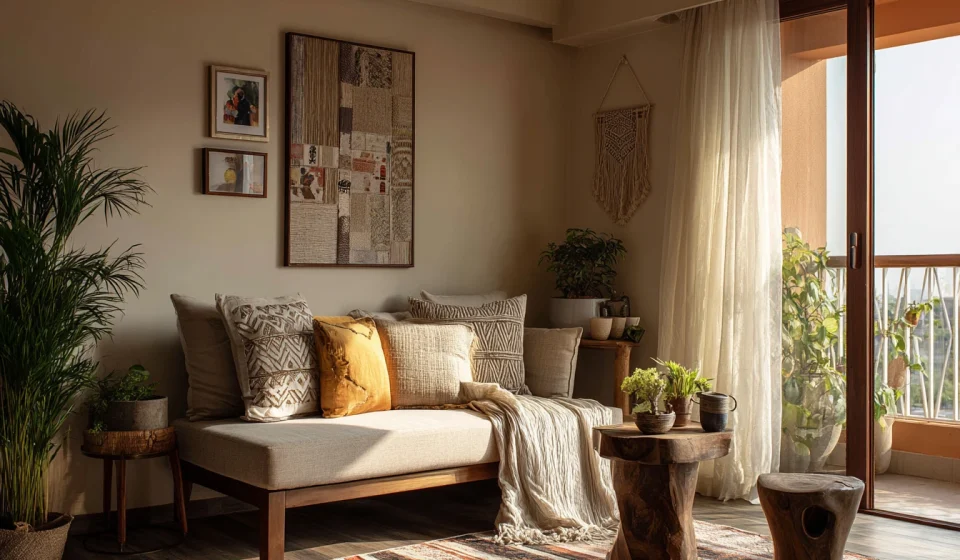

A home starts feeling stale long before it actually looks bad. One day the sofa is fine, the walls are fine, the shelves are fine, but the room has lost its spark. That is where DIY home decor earns its place, not as a cheap substitute for design, but as the fastest way to put your own hand back into your space. Across many American homes, the best rooms are not the ones filled with expensive pieces. They are the ones with a few personal marks that make the space feel lived in, cared for, and impossible to copy.
Creative styling does not need a full renovation budget. It needs attention, patience, and a willingness to look at what you already own with a sharper eye. A painted frame, a reworked lamp, a handmade wall piece, or a thrifted table with a better finish can shift the whole mood of a room. For more home and lifestyle inspiration, resources like creative interior ideas can help spark fresh ways to think about everyday spaces. The goal is simple: make your home feel more like you without letting trends boss the room around.
DIY Home Decor Projects That Build a Personal Interior Style
A room with no personal layer feels rented, even when you own it. The furniture may match, the rug may fit, and the colors may behave, but something still feels missing. Handmade decor fixes that gap because it adds evidence of taste, effort, and choice. That matters more than most people admit.
How can painted accents change a room without a full makeover?
Paint is the most forgiving design tool in the house. A small can of paint can rescue tired picture frames, plain side tables, old mirrors, wooden trays, plant stands, and even basic storage boxes. The mistake many people make is thinking paint only belongs on walls. Smaller painted accents often feel more intentional because they work like punctuation inside the room.
A matte black mirror over a console can make a basic entryway feel grounded. A warm clay-colored tray on a coffee table can pull together throw pillows, books, and candles that looked unrelated before. Even a plain white lamp base can become a quiet statement with a deeper shade like olive, navy, or soft taupe.
The trick is restraint. Do not paint every small object in the same weekend. Pick one piece that already has a useful shape but lacks presence. Sand it, clean it, paint it, and let it sit in the room for a few days before touching anything else. Good creative interior styling often comes from stopping at the right moment, not adding another project.
Why do handmade wall pieces feel warmer than store-bought art?
Blank walls make a home feel unfinished, but generic wall art can feel worse. A print chosen only because it matches the sofa rarely carries enough weight to hold a room together. Handmade wall decor gives the space a quieter kind of confidence because it shows a human choice instead of a shopping shortcut.
A simple fabric wall hanging can soften a bedroom without making it look busy. You can stretch vintage fabric over a canvas frame, frame a scarf, or hang woven placemats in a clean row above a headboard. These projects work well in American apartments and smaller homes because they add texture without taking up floor space.
Personal does not mean messy. A handmade wall piece still needs scale, spacing, and breathing room. One oversized woven piece above a couch usually looks better than six tiny items fighting for attention. The point is not to fill every blank area. The point is to give the eye a place to land.
Turning Everyday Objects Into Creative Interior Styling Details
Once the main room feels more personal, the next move is to look at ordinary objects with new respect. Most homes already hold pieces that can become decor with a small shift in purpose. This is where creativity saves money and keeps the room from looking like it came straight from a showroom.
How can trays, jars, and baskets become design anchors?
Small clutter ruins a room faster than big furniture ever could. Keys, remotes, lip balm, mail, chargers, and loose coins spread across surfaces and make a space feel tired. Trays, jars, and baskets solve the mess, but they also shape the style of the room when you choose them with intention.
A wooden tray on a coffee table can hold a candle, a small plant, and a book without looking staged. Glass jars in a bathroom can hold cotton rounds, bath salts, or hair ties while making the counter feel cleaner. A woven basket near the sofa can hide throws, magazines, or kids’ toys while adding texture that plastic bins never manage.
The best part is that these pieces do not need to match. In fact, a little contrast helps. A dark metal tray beside a soft linen sofa adds edge. A pale basket beside a deep green chair adds lightness. Creative interior styling works best when the objects solve a daily problem and still look like they belong.
What makes thrifted pieces worth using in modern rooms?
Thrifted decor has character, but not every secondhand piece deserves space in your home. The best finds have shape, weight, or texture that new budget decor often lacks. A heavy brass candleholder, a ceramic bowl, an old wooden stool, or a framed landscape print can bring depth into a modern room without making it feel dated.
The secret is editing. A thrifted item needs one clear job. It should hold books, soften a shelf, add height to a corner, or introduce a color the room needs. If it only sits there because it was cheap, it becomes clutter with a story attached.
A good thrifted piece often looks better after one small improvement. Swap the frame mat, clean the metal, oil the wood, or replace the lampshade. Do not erase every mark of age. A few scratches can make a room feel less stiff, especially in homes where everything else came flat-packed and perfect.
Budget-Friendly Projects That Make Rooms Feel Finished
A finished room does not always need more furniture. Often, it needs better edges, stronger focal points, and smarter layers. This is where budget-friendly home crafts can pull more weight than another big purchase. They make the room feel considered instead of collected by accident.
How do textiles make a room feel designed?
Fabric changes the mood of a room faster than almost anything else. Curtains, pillow covers, table runners, slipcovers, and fabric panels can shift color, softness, and movement without touching the walls. This matters in American homes where open layouts often make living rooms, dining areas, and kitchens visually bleed into each other.
You can make simple pillow covers from leftover fabric, thrifted tablecloths, or even sturdy linen napkins. A basic curtain panel can become a closet cover, a room divider, or a soft backdrop behind a desk. These are not complicated sewing projects. Many can be done with iron-on hem tape, clip rings, or simple hand stitching.
Pattern needs discipline. If your room already has a bold rug, choose calmer fabric for pillows. If the furniture is plain, let one textile bring movement. A room feels finished when fabrics speak to each other without repeating the same sentence.
Why should lighting be treated as a decor project?
Lighting is where many rooms lose their charm. People spend money on furniture, then live under one harsh ceiling fixture that makes every corner feel flat. A simple lighting project can change the whole emotional temperature of a space.
Start with lampshades. Replacing a cold white shade with a warm linen one can soften a bedroom instantly. Wrapping a basic shade with textured fabric, adding trim, or painting the inside with a warm tone can make an old lamp feel custom. Even cord management matters. A beautiful lamp loses its power when a messy cord snakes across the floor.
Layered lighting makes creative interior styling feel alive at night. A small lamp on a kitchen counter, battery candles on a mantel, or a plug-in sconce beside a reading chair can make ordinary corners feel cared for. The room does not need to be brighter. It needs better shadows.
Designing With Patience Instead of Buying Too Much
The strongest homes are not built in one shopping trip. They develop slowly because the owner pays attention to how the room behaves during real life. That patience matters. Quick decorating often creates a room that photographs well once and feels wrong every day after.
How can you avoid making DIY projects look messy?
DIY work goes wrong when enthusiasm outruns editing. A room can only handle so many handmade objects before it starts feeling like a craft table. The fix is not to stop making things. The fix is to give every project a clear design reason before it enters the room.
Ask what the room needs first. More warmth? More contrast? Better storage? A stronger focal point? If the project does not answer one of those needs, save it for another space. This one question prevents the most common mistake: adding decor because the project was fun, not because the room needed it.
Finish quality also matters. Sand rough edges. Hide glue marks. Choose paint finishes with care. Use proper hanging hardware. A handmade piece can look beautiful, but it should never look careless. The charm should come from personality, not poor execution.
What is the best way to build a room over time?
A good room develops in layers. Start with function, then comfort, then mood, then detail. That order keeps you from buying pretty things that do not support daily life. A living room needs seating that works before it needs decorative bowls. A bedroom needs calm lighting before it needs more wall art.
Take photos of the room before and after each project. Photos reveal gaps your eyes miss in daily life. You may notice that one side of the room feels heavy, the coffee table looks bare, or the wall color makes the rug look dull. That feedback helps you choose the next project with more confidence.
The smartest DIY home decor choices are the ones that make your home easier to live in and better to look at. Build slowly, trust your eye, and stop copying rooms that were made for strangers. Choose one corner this week, improve it with your own hands, and let that small win set the tone for the whole house.
Frequently Asked Questions
What are easy DIY home decor projects for beginners?
Start with painted frames, styled trays, pillow covers, simple wall hangings, and upgraded lampshades. These projects need basic tools, low budgets, and little experience. They also give visible results fast, which helps you build confidence before trying larger furniture or wall treatments.
How can I decorate my home creatively on a small budget?
Use what you already own before buying more. Rearrange shelves, repaint old pieces, frame fabric, thrift solid decor, and improve lighting with better lampshades. Small changes look richer when they solve a real design problem instead of adding random objects.
What DIY decor projects make a living room look better?
Focus on the coffee table, walls, lighting, and textiles. A styled tray, handmade wall art, warmer lamp shades, and fresh pillow covers can shift the entire room. These areas catch the eye first, so improving them gives the biggest visual return.
How do I make handmade decor look expensive?
Keep the finish clean, the colors controlled, and the scale right. Sand surfaces, hide rough edges, use quality hardware, and avoid overcrowding. Handmade decor looks expensive when it feels intentional, not when it tries to imitate luxury pieces too closely.
What materials are best for simple home decor crafts?
Wood, linen, cotton, glass, clay, wicker, metal, and good-quality paint work well because they age nicely and fit many styles. Avoid flimsy plastic when possible. Natural textures usually make a room feel warmer and more grounded.
Can DIY decor work in a modern home?
Yes, as long as the projects stay clean and edited. Modern rooms benefit from handmade texture because it keeps them from feeling cold. A woven wall piece, painted stool, ceramic bowl, or custom lampshade can soften modern furniture without disrupting the style.
How often should I update my home decor?
Update when a room stops working for your daily life, not every time a trend changes. Seasonal swaps can be small: textiles, greenery, candles, or table styling. Larger changes should happen only when the space needs better function or a clearer mood.
What is the biggest mistake in DIY interior styling?
The biggest mistake is making projects without a plan for where they belong. A project may look cute on its own and still hurt the room. Decide the purpose first, then choose the craft, color, material, and placement.