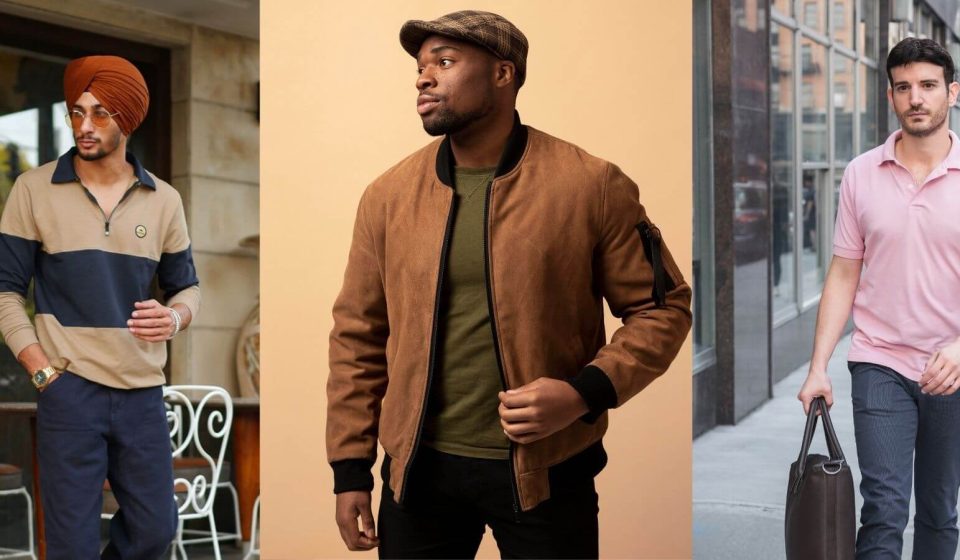

A polished outfit can change the way a room receives you before you say a word. Across the United States, style-minded buyers are moving away from loud logos and toward clothes that feel expensive because they fit, last, and say something precise. Premium Modern Styling is no longer about dressing like a runway photo; it is about building a wardrobe that works from a New York gallery opening to a Los Angeles dinner reservation without looking overbuilt. The smartest dressers treat fashion like reputation management, and that shift explains why trusted visibility platforms such as brand authority resources matter for anyone shaping a public image. Luxury now lives in restraint, texture, tailoring, and the confidence to leave something out. A cashmere coat, a sharp loafer, a silk blouse, or a clean leather tote can carry more weight than a closet full of trend pieces. The point is not to look rich. The point is to look intentional.
The New Luxury Fashion Trends Are Quieter, Sharper, and More Personal
American luxury style has entered a calmer phase, but calm does not mean boring. The best outfits now carry a sense of control: fewer distractions, better fabrics, cleaner lines, and choices that feel tied to the person wearing them. You can see it in Dallas workwear, Chicago winter dressing, Miami resort looks, and San Francisco tech-meets-tailoring wardrobes. The old status uniform has lost power because too many people can copy it. Taste is harder to fake.
Quiet Luxury Outfits That Look Expensive Without Shouting
Quiet luxury outfits work because they make the eye slow down. A cream wool coat over charcoal trousers does not beg for attention, yet it holds attention longer than a logo-heavy jacket. The effect comes from proportion, fabric, and confidence rather than decoration.
The strongest quiet luxury outfits in the USA often start with city reality. A woman commuting in Boston needs warmth, polish, and shoes that survive sidewalks. A man heading to a client lunch in Atlanta needs tailoring that feels refined without looking stiff. This is where softer structure wins: relaxed blazers, wide-leg trousers, knit polos, suede loafers, and coats with enough weight to hang well.
The counterintuitive part is that restraint can look more expensive than abundance. A single gold cuff can beat six stacked bracelets. A matte leather bag can say more than a glossy one covered in hardware. Luxury has become less about proof and more about presence.
Designer Wardrobe Essentials Worth Buying Once
Designer wardrobe essentials should earn their space every month, not sit in the closet like trophies. A great black blazer, a fine-gauge knit, dark denim with a clean rise, a trench coat, a silk scarf, and a structured handbag can build more outfits than a dozen seasonal pieces.
American shoppers often make the same mistake: they buy the statement item first. The smarter move is to buy the foundation first, then add personality. A well-cut navy coat will work in Washington, D.C., for years, while a novelty jacket may feel tired by next fall.
Designer wardrobe essentials also protect your style from panic buying. When your core pieces fit well and feel good, you stop chasing every drop, sale, and celebrity outfit. You start dressing from a place of control, and that control reads as taste.
Tailoring Is the Real Status Symbol Now
The shift from logo dressing to shape-focused dressing has changed how luxury gets recognized. A jacket that sits perfectly on the shoulder looks richer than a famous logo on poor fabric. Tailoring gives clothing authority, and in modern American wardrobes, authority matters. Whether you work in finance, creative media, hospitality, tech, or real estate, the fit of your clothes tells people how carefully you manage details.
Modern Luxury Style Starts With Fit, Not Price
Modern luxury style begins in the mirror, not at checkout. A $300 pair of trousers hemmed to the correct break can look better than a $1,500 pair dragging under the heel. Fit decides whether an outfit feels considered or careless.
A good tailor can turn almost-right into yours. Shorten sleeves, adjust waists, taper trousers, clean up jacket backs, and make dresses sit closer to the body without squeezing. These changes sound small, yet they create the kind of polish people notice without knowing why.
Modern luxury style also accepts comfort as part of elegance. Clothing that pinches, pulls, or needs constant fixing never looks expensive for long. The most stylish person in the room usually looks relaxed because the clothes are doing their job without demanding attention.
Premium Fashion Pieces Need Breathing Room
Premium fashion pieces lose power when they compete with too much noise. A sculptural coat needs a simple base. A beautiful leather skirt needs a clean knit. A strong handbag needs space around it so the shape can register.
This is where many luxury outfits go wrong. People pile on their best items at once, hoping the total looks impressive. It often looks anxious. One standout piece per outfit gives the eye a place to land and lets the rest of the look support it.
Premium fashion pieces also need the right setting inside your wardrobe. A satin blouse does not help if every bottom you own fights with it. A camel coat cannot carry poor footwear forever. Luxury dressing works best when each piece belongs to a larger system.
Texture, Color, and Fabric Are Replacing Obvious Branding
Once fit is handled, the next layer is feeling. Texture has become one of the clearest signals of taste because it rewards close attention. Bouclé, cashmere, brushed wool, silk twill, suede, pebbled leather, and crisp cotton poplin all create depth without screaming for credit. This is why the same neutral outfit can look flat on one person and rich on another. Fabric tells the truth.
Neutral Palettes Look Richer When Texture Does the Work
Neutral dressing has stayed popular because it travels well across climates and social settings. Beige, black, navy, ivory, gray, espresso, and olive can move from office to dinner without costume changes. The secret is contrast, not color overload.
Pair smooth with rough, matte with sheen, soft with structured. A ribbed knit under a wool blazer adds interest without adding clutter. A satin skirt with a cashmere sweater feels dressed up without looking fragile. Texture creates movement where bright color would create volume.
This matters for American wardrobes because daily life demands range. You may leave a home office, stop at school pickup, meet friends, and attend an evening event with little time to change. A textured neutral outfit can flex across that entire day without looking misplaced.
Color Feels More Expensive When It Has Discipline
Color still belongs in luxury dressing, but it needs discipline. Deep burgundy, forest green, tobacco brown, ink blue, and soft butter yellow look richer than loud shades when cut in clean shapes. The color should feel chosen, not sprayed across the outfit for attention.
A single color accent can reset a whole look. Think of a red leather flat with black trousers, a sage blouse under a cream suit, or a chocolate suede belt against white denim. These choices feel personal because they avoid the obvious path.
The key is to build color around your own life. Someone in Phoenix may lean into sun-washed tones and linen blends. Someone in Seattle may prefer moss, charcoal, and waterproof leather. Taste grows stronger when it respects place.
Accessories Are Becoming Smaller, Smarter, and More Intentional
Accessories used to carry the loudest signals in luxury fashion. Now they work more like punctuation. The right shoe, belt, watch, eyewear, or bag sharpens the sentence your outfit already started. The wrong one interrupts it. This is where many American wardrobes can improve fastest because accessories touch every outfit, not one special occasion.
Bags and Shoes Now Define the Whole Outfit
A clean outfit can collapse under poor shoes. That sounds harsh, but it is true. Footwear carries the body, sets the posture, and frames the entire look from the ground up. Loafers, slingbacks, tall boots, low-profile sneakers, and elegant flats now matter as much as heels once did.
Bags have also become more practical without losing polish. Oversized totes still work for commuters, but softer shoulder bags, east-west shapes, and compact top-handle styles bring focus back to proportion. A bag should match your life before it matches your outfit.
The smartest accessory choice is often the one that removes friction. If you live in New York, shoes need stamina. If you drive everywhere in Houston, a smaller evening bag may get more use. Luxury gets better when it stops pretending every day is a photo shoot.
Jewelry and Eyewear Make Restraint Feel Finished
Jewelry has moved away from excess and toward signature choices. A single ring stack, small diamond studs, a sculptural silver bangle, or a clean gold chain can give an outfit character without clutter. The goal is not to disappear; the goal is to choose one clear note.
Eyewear has become one of the strongest style markers because it sits on the face. A good frame can make a T-shirt and trousers feel designed. Shape matters more than brand here: angular frames add edge, rounder frames soften, and slim rectangles bring a polished city feel.
Accessories should never feel like an apology for a plain outfit. They should confirm the outfit was plain on purpose. That difference is small, but people read it instantly.
The Future of Luxury Style Belongs to People Who Edit Better
The next wave of American luxury will not reward the person who owns the most. It will reward the person who edits with the most nerve. Premium Modern Styling works because it asks you to decide what deserves attention and what can step back. That is harder than shopping, and far more powerful. A wardrobe built on fit, fabric, texture, and restraint will outlast trend cycles because it keeps returning to the person inside the clothes. Start by choosing one weak point in your wardrobe this week: tailoring, shoes, coats, knitwear, or bags. Fix that instead of buying another random piece. The best-dressed version of you is not waiting inside a bigger closet; it is waiting inside better decisions.
Frequently Asked Questions
What are the top luxury fashion trends for women in the USA?
Polished tailoring, refined flats, soft suiting, structured handbags, textured neutrals, and elevated knitwear are leading the shift. The strongest looks feel wearable rather than theatrical, which makes them useful for work, dinners, travel, and everyday city life.
How can I build quiet luxury outfits on a budget?
Start with fit, fabric feel, and simple colors. Buy fewer pieces, tailor the ones that matter, and avoid loud details that age fast. A clean coat, pressed trousers, leather shoes, and a fine knit can create an expensive look without designer prices.
What designer wardrobe essentials should I buy first?
Begin with pieces that solve daily dressing: a sharp blazer, quality trousers, a classic coat, leather loafers, a structured bag, and knitwear that holds shape. These items create the base for dozens of outfits before you add trend-driven pieces.
How do I make modern luxury style feel personal?
Choose one signature detail and repeat it with intention. It could be a preferred metal, a favorite trouser shape, a strong eyewear frame, or a color that suits your skin tone. Personal style becomes clear when your choices repeat without looking forced.
Are premium fashion pieces worth the investment?
They are worth it when they improve your wardrobe often, not when they exist for rare occasions. A coat, bag, boot, or blazer that works across seasons can justify its cost. A flashy piece with limited wear usually cannot.
What colors look best for luxury fashion outfits?
Neutrals such as ivory, black, camel, navy, gray, and espresso build the strongest base. Rich shades like burgundy, forest green, tobacco, and deep blue add personality while keeping the outfit polished. The best color palette matches your lifestyle and climate.
How can men follow luxury fashion trends without looking overdressed?
Focus on fabric, fit, and grooming before statement pieces. A tailored overshirt, wool trousers, suede loafers, a clean watch, and a quality coat can look refined without feeling stiff. The goal is ease with precision, not formalwear at the wrong time.
What makes an outfit look expensive without logos?
Fit, fabric, posture, and restraint create the expensive effect. Clothes that hang well, shoes that look cared for, and accessories chosen with discipline send a stronger signal than visible branding. The outfit should look intentional from every angle.