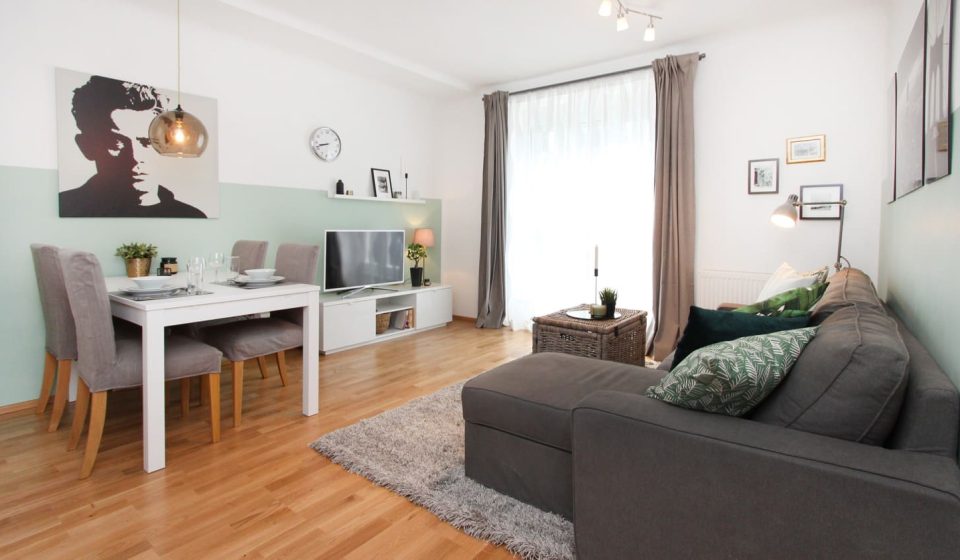

A smaller home can expose habits a larger home helped hide. Closets packed with “maybe someday” items, rooms used twice a year, and storage bins nobody wants to open all become harder to ignore when space starts asking better questions. That is where downsizing home tips become more than moving advice; they become a way to build a calmer daily life without dragging the weight of old square footage behind you. For many Americans, the decision comes after retirement, a child moving out, rising housing costs, a divorce, or plain exhaustion from maintaining a house that no longer fits. The goal is not to shrink your life until it feels tight. The goal is to keep what supports your routine, your comfort, and your next chapter. A good move starts with honesty, not panic. You can use practical planning, smart sorting, and trusted real estate guidance from resources like local housing and property insights to make each choice feel less rushed and more grounded.
Downsizing Home Tips That Start Before You Pack
The first mistake people make is treating downsizing like a packing project. It is not. Packing comes late, after the harder thinking has already happened. Before a single box shows up, you need to understand what kind of life your next home must support, because a smaller floor plan will punish vague decisions fast.
How do you define the life your smaller home must support?
A smaller home should match your real week, not your fantasy week. Many people keep dining rooms for holidays they no longer host, guest rooms for visitors who prefer hotels, and garage tools for projects they have quietly abandoned. That does not make those things worthless. It means they may no longer deserve rent inside your life.
Start by writing down what you do every day, every week, and every season. Morning coffee, laundry, reading, cooking, remote work, walking the dog, grandkids visiting, hobby storage, medical equipment, or quiet space all matter. A downsized home fails when it only looks good on move-in day but does not fit Tuesday afternoon.
The counterintuitive part is this: comfort often comes from removing “useful” things, not useless ones. Useless items are easy to toss. Useful items are harder because they still have a role somewhere, for someone. The sharper question is whether they have a role in the home you are actually building now.
Why should you measure furniture before choosing rooms?
Furniture carries more emotional weight than people admit. A sectional may represent family movie nights. A dining table may hold years of birthdays. A bedroom set may feel too solid, too expensive, or too tied to memory to let go. Still, walls do not negotiate.
Measure every major item before you tour smaller homes or apartments. Write down width, depth, height, and the space needed to walk around it. Then sketch rough room zones. You do not need designer software; graph paper or painter’s tape on the floor can reveal the truth fast.
A common downsizing trap is assuming furniture will “probably fit.” It may fit physically and still ruin the room. A queen bed that blocks a closet, a sofa that forces sideways walking, or a dining table that turns every meal into a squeeze will wear on you. The better move is to choose the life you want first, then let furniture apply for a place in it.
Sorting Belongings Without Turning the Process Into Grief
Once the vision is clear, the emotional work begins. Sorting sounds simple until you touch the baby clothes, military papers, inherited china, old tools, photo albums, school art, and boxes from a parent’s house. Those objects are not clutter in the ordinary sense. They are evidence. You are not only deciding what to keep; you are deciding how much proof your past needs.
What should you keep when memories feel attached to everything?
Memory does not live evenly across objects. One handwritten recipe may carry more meaning than twelve boxes of kitchenware. One framed photo may say more than a full cabinet of souvenirs. The goal is not to become cold or ruthless. The goal is to stop making every object compete for the same emotional space.
Create three memory categories: display, archive, and release. Display items earn visible space because they still give you joy or connection. Archive items matter enough to preserve but not enough to see daily. Release items served their time, even if they still make you pause.
This is where many people get stuck. They believe letting go of an item means disrespecting the person, place, or season attached to it. Not true. Keeping too much can flatten memory until everything becomes a burden. A smaller, better-kept collection often honors the past with more care.
How can family conversations prevent regret later?
Family members often develop sudden interest in belongings once downsizing begins. A chair nobody mentioned for twenty years becomes “Grandma’s chair.” A box in the basement becomes “family history.” Tension grows when decisions happen in silence, then surprise people after the fact.
Set a clear window for family claims. Send photos of items you are willing to pass along, give people a deadline, and make pickup their responsibility. This protects you from becoming the unpaid storage unit for everyone else’s nostalgia.
Some conversations will still sting. One child may want nothing. Another may want too much. A sibling may question your choices. Stay steady. You can be generous without surrendering control. The home is yours, the move is yours, and your peace matters as much as anyone’s sentiment.
Making a Smaller Floor Plan Feel Calm Instead of Crowded
A downsized home can feel open, warm, and easy to live in when every zone has a job. It can also feel cramped within weeks if old habits follow you through the door. Space is not only about square footage. It is about friction. The fewer daily obstacles you create, the larger the home feels.
Which storage choices make a smaller home work better?
Good storage is not about hiding more stuff. It is about making the right stuff easy to reach. Deep bins stacked in closets may look neat at first, but they turn simple tasks into excavation. If you need a step stool, flashlight, and patience to find something, that item is already costing too much.
Choose storage that matches frequency. Daily items need open access. Weekly items can sit behind doors. Seasonal items belong higher, lower, or farther away. Rare items need a stricter test: if they are hard to reach and rarely used, they may not belong in the home at all.
Vertical storage helps, but only when it stays safe. Wall shelves, tall bookcases, over-door racks, and closet systems can rescue floor space, yet they should not create hazards. In many U.S. households, downsizing happens later in life, when balance, reach, and mobility deserve respect. A beautiful storage plan that requires climbing is not a plan. It is a future problem.
How do you design rooms that serve more than one purpose?
Multi-use rooms work when each use has boundaries. A guest room can also serve as an office if the desk closes, the bedding stores cleanly, and guests are not sleeping beside piles of paperwork. A dining nook can support crafts if supplies return to one cabinet after use. Blended spaces need rules.
The smartest smaller homes often rely on furniture that changes roles without drama. A drop-leaf table, storage ottoman, sleeper sofa, wall desk, nesting tables, or bench with hidden compartments can help. Still, do not buy clever furniture as a substitute for hard editing. No product can fix a home that contains too much.
There is a quiet luxury in walking through a room without bumping into your own compromises. That feeling matters. When a smaller room has breathing space, you stop thinking about what you gave up and start noticing how much easier the day feels.
Handling the Move, Money, and New Daily Rhythm
After sorting and space planning, the move becomes real. Dates appear. Costs stack up. Forms need signatures. Utilities, movers, repairs, donations, address changes, and closing details all compete for attention. This phase rewards calm systems because stress makes people keep things they meant to release and spend money they meant to save.
What costs do people forget when they move smaller?
A smaller home does not always mean a cheaper transition. Moving costs, storage fees, repairs before selling, new furniture, utility deposits, HOA fees, condo dues, property taxes, insurance changes, and junk removal can hit close together. The sale price or rent number is only one part of the picture.
Build a downsizing budget with three columns: leaving costs, moving costs, and arrival costs. Leaving costs may include painting, landscaping, staging, cleaning, or minor repairs. Moving costs include packing supplies, movers, truck rental, tips, and insurance. Arrival costs include window coverings, locks, shelving, accessibility updates, and smaller furniture.
Temporary storage deserves special caution. It feels like mercy during a hard move, but it can become a monthly tax on indecision. Use storage only with a written deadline and a clear reason. Otherwise, you are paying to postpone choices you will still have to make later.
How do you settle into a smaller home without second-guessing everything?
The first weeks can feel strange. Sounds travel differently. Routines shift. You may miss a porch, a pantry, a basement, or the easy distance between rooms. Even a good decision can feel awkward while your body learns a new space.
Unpack by routine instead of by room. Set up sleep, bathing, medication, coffee, meals, laundry, and bill-paying first. These daily anchors make the home feel functional before it feels finished. Decoration can wait. Stability cannot.
Give yourself one full season before judging the move. You need to learn where winter coats land, how summer light hits the windows, where guests sit, and what storage habits break under pressure. Simpler comfortable living grows through use, not theory. The first layout rarely becomes the best layout, and that is fine.
Conclusion
A smaller home asks for decisions a larger home lets you avoid. That can feel harsh at first, yet it is also the gift. You get to choose what earns space near you, what supports the way you live now, and what belongs to a chapter that has already done its job. The best downsizing home tips do not push you toward bare rooms or joyless minimalism. They help you protect comfort from excess. Start with your daily routine, measure before you move, sort memories with care, and build rooms that reduce friction instead of showing off. Then give the new place time to become familiar. A downsized home should not feel like a smaller version of your old life. It should feel like a cleaner agreement with your next one. Choose one room this week, make the first honest cut, and let the lighter life begin with one brave decision.
Frequently Asked Questions
What are the best downsizing tips for older adults moving to a smaller home?
Start with safety, routine, and access before style. Keep daily items easy to reach, avoid storage that requires climbing, and measure furniture carefully. Older adults should also plan medical needs, parking, laundry access, and guest support before choosing a smaller place.
How early should I start downsizing before a home move?
Three to six months gives most households enough time to sort without panic. Larger homes, estate items, and long-term family storage may need more time. Starting early helps you donate, sell, gift, or dispose of belongings without making rushed decisions.
What should I get rid of first when downsizing?
Begin with duplicates, damaged items, expired goods, unused hobby supplies, old paperwork, and furniture that will not fit the next floor plan. These choices build momentum before you face sentimental belongings, which usually require more energy and care.
How do I downsize without regretting what I gave away?
Use a pause box for uncertain items and set a firm review date. Photograph sentimental objects before releasing them, keep the most meaningful pieces, and avoid making emotional decisions when tired. Regret drops when every item has a clear reason to stay or go.
Is it better to sell, donate, or gift items before downsizing?
Use all three paths. Sell valuable items when the return is worth the effort, donate useful goods that can help someone else, and gift meaningful pieces to family or friends who truly want them. Avoid storing items for people who will not pick them up.
How can I make a smaller home feel more spacious?
Keep walkways open, choose furniture with lighter visual weight, use vertical storage carefully, and give every room a clear purpose. Good lighting, fewer surfaces packed with objects, and right-sized furniture often make a smaller home feel calmer than a larger crowded one.
What furniture works best for downsized living spaces?
Choose pieces that fit the room and serve daily needs. Storage benches, drop-leaf tables, sleeper sofas, nesting tables, and compact recliners can work well. Avoid oversized furniture kept only for sentimental reasons if it blocks movement or makes the room harder to use.
How do I emotionally handle leaving a long-time family home?
Treat the move as a transition, not an erasure. Take photos, preserve a few meaningful objects, invite family to claim items by a deadline, and say goodbye in a deliberate way. The house held your memories, but it was never the only place they could live.