
Your wrist has become one of the busiest spots in modern life. The right watch can cut phone-checking, make health habits easier, and keep your day from scattering across ten different apps. A strong set of Smartwatch Features should feel practical, not flashy, especially for Americans juggling work, errands, school pickups, gym time, and family schedules. A watch earns its place when it removes tiny problems before they pile up. That is where thoughtful digital lifestyle tools matter more than shiny marketing claims.
The best smartwatch is not the one with the longest spec sheet. It is the one you forget you are wearing until it saves you time, catches a missed call, nudges you to move, or helps you pay for coffee without digging through a bag. Good wearable technology works quietly in the background. Bad tech asks for attention all day. That difference matters because convenience should lower friction, not create another screen you have to manage.
Daily Convenience Starts With Fewer Phone Checks
A smartwatch should make your phone less demanding. That sounds small, but it changes how your day feels. Most people do not check their phone once. They check it, unlock it, glance at messages, notice another app, and lose five minutes without meaning to. A watch can break that loop when it is set up with restraint.
Why Smart Notifications Matter More Than Extra Apps
Smart notifications are useful because they let you sort what needs action from what can wait. A delivery update, school message, meeting alert, or bank notice may deserve a glance. A random app promotion does not. The power is not in receiving everything on your wrist. The power is in deciding what earns that space.
Many users make the same mistake on day one. They mirror every phone alert and then blame the watch for being annoying. The better move is to allow calls, texts, calendar alerts, ride-share updates, home security notices, and payment confirmations. Leave social apps off unless they serve your actual day.
A parent in Austin might need school pickup alerts, weather warnings, and grocery reminders. A sales manager in Chicago may need calendar shifts and client calls. Those needs are not the same. The watch becomes helpful when it reflects your life instead of copying your phone.
Hands-Free Tasks Can Save Mental Energy
Voice assistants, quick replies, timers, alarms, and reminders sound ordinary until they remove repeated small hassles. Starting a timer while cooking, sending a short reply while walking, or checking the weather before leaving the driveway can keep your attention where it belongs.
This is where wearable technology feels most natural. It does not replace your phone. It handles the tiny jobs that never deserved a full phone session in the first place. A good smartwatch turns those tasks into two-second moments.
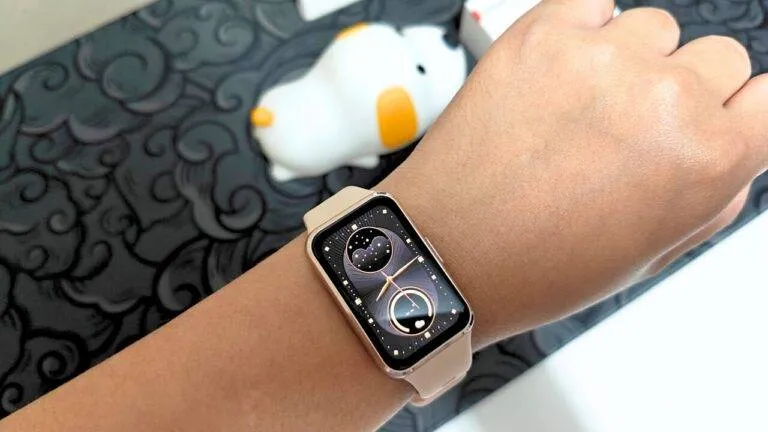
The counterintuitive part is that fewer features can make the watch feel smarter. When you depend on a tight set of tools every day, the device becomes easier to trust. A cluttered watch face with six widgets may look powerful, but a clean face with time, weather, calendar, and activity often works better.
Health Tools Should Guide, Not Scare
Health features can be the reason someone buys a smartwatch, but they should not turn the wrist into a source of anxiety. A watch can support better habits, catch patterns, and make movement easier to notice. It should not make you feel like a patient every hour of the day.
Fitness Tracking Works Best When It Fits Real Life
Fitness tracking helps most when it meets you where you are. A watch that counts steps, tracks walks, logs workouts, and shows heart-rate zones can make activity visible without turning life into a competition. That matters for people who want steadier habits, not a lecture from a gadget.
A nurse in Phoenix may care more about daily steps during long shifts than gym records. A remote worker in Denver may need stand reminders because hours vanish at a desk. A retiree in Florida may track walks, sleep, and heart trends. Each person uses the same feature differently.
Good fitness tracking should also make rest part of the picture. Many people chase rings, streaks, and goals while ignoring fatigue. A smarter approach is to treat the watch as a pattern reader. If sleep is poor and heart rate feels higher than normal, an easier workout may be the better choice.
Health Alerts Need Context Before Panic
Heart rate alerts, fall detection, sleep tracking, blood oxygen readings, ECG tools, and cycle tracking can offer meaningful signals. Still, a smartwatch is not a doctor. It is a daily companion that may notice something worth checking.
The best use of health alerts is pattern awareness. One odd reading may mean a loose band, cold skin, stress, caffeine, or motion. A repeated pattern deserves more attention. That is a calmer and wiser way to use the data.
This is especially useful for older adults and family caregivers. Fall detection and emergency SOS can provide peace of mind without making someone feel watched. A daughter in New Jersey may feel better knowing her father can call for help from his wrist during a morning walk. That kind of feature is not flashy. It is practical care.
Smartwatch Features That Actually Improve Busy Routines
The most useful watches support the parts of life that already feel crowded. Payments, maps, calls, music, calendars, and home controls can remove friction when your hands are full or your attention is split. Smartwatch Features become valuable when they help in the messy middle of the day, not only during workouts.
Payments, Maps, and Calls Make Errands Smoother
Contactless payment is one of the most underrated smartwatch tools. At a coffee shop, subway gate, gas station, grocery checkout, or pharmacy counter, paying from the wrist saves a small amount of time. More than that, it removes the pocket-and-wallet shuffle.
Navigation works the same way. A light wrist tap before a turn can be better than staring at your phone on a city sidewalk. In places like New York, Seattle, Boston, or San Francisco, wrist-based walking directions can help you move with less screen time and fewer stops.
Calls from the wrist are not for long conversations. They are for quick fixes. “I am outside.” “Pick up milk.” “I will be five minutes late.” That is enough. The feature succeeds because it respects the moment instead of trying to replace the phone.
Music and Home Controls Add Quiet Convenience
Offline music and podcast storage can make walks, runs, and gym sessions easier. You can leave the phone behind, pair earbuds, and keep moving. That freedom feels small until you try it on a morning run or during a crowded commute.
Smart home controls also matter when used with limits. Adjusting a thermostat, turning off lights, opening a garage door, or checking a camera alert from the wrist can save steps. It is not about turning your watch into a control center for everything. It is about handling a few repeated actions faster.
The unexpected truth is that smartwatch convenience often comes from the least glamorous features. A flashlight mode when you unlock the front door at night. A silent alarm that wakes you without disturbing your partner. A quick calendar glance before you walk into a meeting. Those are the moments that make the device stick.
Battery, Comfort, and Privacy Decide Long-Term Value
A smartwatch can have excellent tools and still fail if it is annoying to wear. Battery, comfort, durability, privacy controls, and software support decide whether the watch becomes part of your routine or ends up in a drawer. The boring details matter more after the first week.
Battery Life Shapes How You Use the Watch
Battery life affects trust. If your watch dies before dinner, you stop relying on it for evening workouts, sleep tracking, payments, or emergency features. A smartwatch should match your routine without forcing constant charging anxiety.
Some users are fine charging every night. Others want multi-day use because they travel, camp, work long shifts, or track sleep. Neither choice is wrong. The mistake is buying based on ads instead of your real schedule.
A consultant flying between Dallas and Atlanta may need battery life that survives travel delays. A student may care more about fast charging before class. A hiker may want GPS endurance. Your best choice comes from the day you actually live, not the perfect day shown in a product video.
Comfort and Privacy Are Deal Breakers
A watch sits on your skin for hours, so comfort is not cosmetic. Case size, band material, weight, screen brightness, and button placement all matter. A device that feels fine in the store may bother you after a full workday.
Privacy deserves the same attention. Smartwatches can collect location, heart data, sleep patterns, payment activity, voice requests, and app usage. You should review permissions, limit unnecessary data sharing, use a passcode, and understand what syncs to the cloud.
Good smart notifications also protect privacy in public. A message preview on your wrist can be seen by someone sitting beside you on a train or standing near you in line. Set sensitive apps to show alerts without full text. Convenience should not expose details you would never say out loud.
Conclusion
A smartwatch should earn trust through usefulness, comfort, and restraint. The best device is not the loudest one on the shelf. It is the one that helps you move through the day with fewer interruptions and better timing. That may mean a health alert that prompts a checkup, a payment that saves a hassle, or a reminder that keeps one small task from slipping.
Smartwatch Features matter most when they serve real routines instead of chasing novelty. Before buying, think about your day in plain terms. Do you need stronger health tracking, cleaner alerts, better workout support, longer battery, or hands-free help during errands? Pick for those needs first.
The smartest watch is the one that gives more attention back than it takes. Choose the model that fits your habits, trim the alerts, protect your privacy, and let the device do what good tech should do: make everyday life feel lighter.
Frequently Asked Questions
What smartwatch features are best for daily use?
The best daily features are call alerts, message filtering, calendar reminders, contactless payments, timers, alarms, weather, and basic health tracking. These tools help most because they remove small interruptions without forcing you to pull out your phone every few minutes.
How do smart notifications help reduce phone use?
They let you see what matters without opening your phone. When only key alerts reach your wrist, you can ignore low-value noise and respond to urgent items faster. The setup matters more than the feature itself.
Is fitness tracking accurate enough for everyday health goals?
It is accurate enough for trends, habits, and general progress. Step counts, workouts, heart-rate patterns, and sleep estimates can guide better choices. For medical concerns, use the data as a signal to discuss with a qualified healthcare professional.
How much battery life should a smartwatch have?
One full day is the bare minimum for most users. Two or more days is better for sleep tracking, travel, outdoor activity, and long work shifts. Fast charging can help, but longer battery life builds more trust.
Are smartwatch health alerts worth paying for?
They can be worth it for people who care about heart trends, fall detection, sleep patterns, emergency tools, or workout feedback. The value depends on whether you will act on the information instead of ignoring alerts after the first week.
Can a smartwatch replace a smartphone?
It can replace small phone tasks, not the whole phone. Calls, payments, music, maps, quick replies, and reminders work well from the wrist. Long messages, browsing, photos, and detailed apps still belong on a phone.
What should I check before buying a smartwatch?
Check phone compatibility, battery life, comfort, band options, health tools, water resistance, app support, privacy settings, and payment availability. Try the size if possible because a watch that feels bulky will not stay on your wrist.
How do I make a smartwatch less distracting?
Turn off nonessential alerts, simplify the watch face, remove unused apps, limit message previews, and schedule focus modes. A smartwatch becomes calmer when it shows only what you need during the moments you need it.