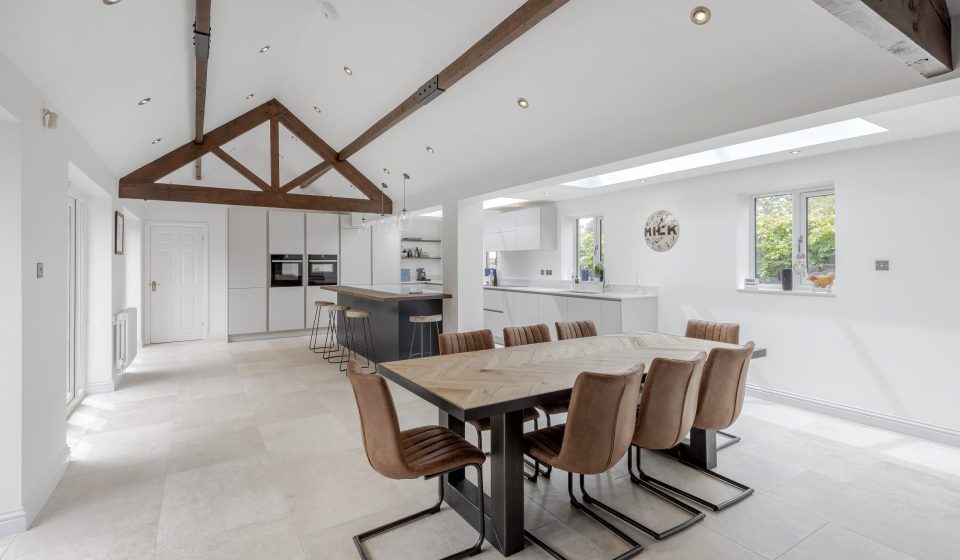

A kitchen can look beautiful and still fight you every time you cook. You reach for a pan, cross the room for oil, open three drawers for a spatula, and by the time dinner starts, the room has already drained your patience. Functional kitchen layouts fix that problem by shaping the space around how real people move, cook, clean, store, and serve food in everyday American homes. The best layout does not ask you to act like a showroom chef. It supports school-night pasta, Sunday meal prep, packed lunches, holiday cooking, and the quiet coffee routine before the house wakes up. That is why smart planning matters more than fancy finishes. A kitchen should reduce friction, not display it in better lighting. For homeowners comparing design ideas, remodeling choices, or practical home improvement direction, resources like modern home improvement insights can help connect style decisions with livable results. A good layout gives every task a natural place. Once that happens, cooking feels less like managing chaos and more like moving through a room that finally understands you.
Build the Kitchen Around Real Movement, Not Perfect Photos
The first mistake many homeowners make is planning from a picture instead of a routine. A magazine kitchen freezes one perfect second. Your kitchen has rushing kids, grocery bags on the counter, sauce bubbling too fast, a dog parked in the worst spot, and someone asking where the cups are. The layout has to survive that life. Pretty comes later. Flow comes first.
Why the Work Triangle Still Matters in Modern Homes
The old work triangle gets mocked because kitchens have changed, but the idea behind it still holds up. Your sink, stove, and refrigerator should not feel like three separate islands in a small daily obstacle course. When those points sit within easy reach, cooking becomes calmer because your steps make sense.
The key is not chasing a textbook triangle. It is watching where your body naturally goes. If you rinse vegetables at the sink, chop beside it, grab butter from the fridge, then cook at the range, those moves should feel connected. No one should need to cross a walkway with a dripping cutting board.
Open-concept homes need extra care here. A wide kitchen can trick you into thinking space equals comfort, but distance can become the new clutter. When the fridge sits too far from the prep counter, every meal stretches into wasted motion. The room feels big, yet the cook feels boxed in.
How Walkways Decide Whether Cooking Feels Easy
Walkways carry the hidden stress of a kitchen. A narrow path between an island and a stove might look fine on a floor plan, but it can become a daily pinch point when two people cook or unload the dishwasher at the same time. The body notices bad spacing before the mind names it.
A practical kitchen should allow one person to cook while another grabs a snack without creating a traffic jam. That means the refrigerator should often sit near the outer edge of the work area, not buried behind the cook. Kids can get juice. Guests can refill drinks. The main cooking zone stays protected.
This is where kitchen workflow becomes more than a design phrase. It becomes the difference between a room that welcomes help and one that turns every extra person into a problem. In a busy household, that distinction matters every single day.
Use Zones That Match the Way Meals Actually Happen
Once movement feels natural, the next layer is zoning. A kitchen works better when each area has a job. You do not need a giant custom space to make this happen. Even a small kitchen can feel organized when prep, cooking, cleaning, storage, and serving each have a clear home.
Where Should Cooking Zones Sit for Faster Prep?
Cooking zones should sit close enough to support each other without crowding the cook. The prep zone needs counter space near the sink because most meals start with washing, peeling, trimming, or sorting ingredients. From there, the stove or cooktop should be close enough that chopped food moves safely and quickly.
Counter space beside the range matters more than many people admit. A hot pan needs somewhere to land. A spoon rest, spice jar, oil bottle, and plate all need room during cooking. Without that landing space, the cook starts balancing things on random corners, and the room loses control fast.
The best cooking zones also respect heat and mess. Keep fragile display items away from splatter areas. Place cutting boards, mixing bowls, and knives near prep space instead of forcing them into distant drawers. Small decisions like these make meal preparation feel less scattered.
Why Cleaning Zones Should Not Interrupt Cooking
Cleaning deserves its own zone because dirty dishes can hijack a kitchen. When the sink, dishwasher, trash, and cleaning supplies sit in a logical cluster, cleanup becomes a background task instead of a full interruption. That helps during weeknight dinners when one person cooks and another clears plates.
A common mistake is placing the dishwasher where its open door blocks the main cooking path. That turns cleanup into a physical barricade. The same issue happens when trash cans sit across the kitchen from the prep counter. Every peel, wrapper, and paper towel becomes an extra trip.
Good kitchen storage supports the cleaning zone too. Keep dish towels, detergent, trash bags, and everyday plates nearby. The goal is simple: dirty items move out, clean items return, and no one has to wander through the cooking area holding a wet bowl.
Make Storage Serve the Counter, Not the Other Way Around
Storage can either protect your counters or bury them. Many kitchens have enough cabinets on paper, yet the counters stay crowded because the wrong items live in the wrong places. A useful layout treats storage as a support system for daily tasks, not as a random collection of boxes with doors.
How Deep Storage Can Slow Down Daily Cooking
Deep cabinets sound generous until you start kneeling to find a pot lid trapped behind a roasting pan. Bad storage makes people buy duplicates because they cannot see what they already own. That is how clutter grows quietly, one hidden item at a time.
Pull-out shelves, wide drawers, vertical dividers, and clear zones solve more problems than extra cabinets. Pots should live near the stove. Cutting boards should stand near prep space. Food containers should stay close to the area where leftovers are packed. When placement follows use, the kitchen starts paying you back in time.
Kitchen storage also has to match household habits. A family that cooks rice, beans, soups, and freezer meals needs different storage than someone who mostly assembles salads and reheats leftovers. A smart design does not judge either routine. It makes the routine easier.
What Belongs Near the Main Meal Prep Space?
The main meal prep space should hold the tools you touch before food hits heat. Knives, cutting boards, mixing bowls, measuring cups, towels, spices, oils, and compost or trash access should stay close. If those items scatter across the room, prep becomes a scavenger hunt.
Meal prep space also needs open counter, not decorative clutter. A beautiful tray, vase, or appliance lineup can steal the exact surface you need most. Keep the hardest-working counter clear enough for a cutting board, a mixing bowl, and a small stack of ingredients at the same time.
This is where many smaller kitchens can beat larger ones. A compact kitchen with disciplined storage often cooks better than a huge kitchen with lazy placement. Reach matters. Visibility matters. The room should put your best tools where your hands already want to go.
Design for Everyday Convenience Before Resale Appeal
A kitchen should respect resale value, but it should not become a room designed for strangers while your family struggles inside it. Buyers may notice finishes first, but people living in the home feel layout every morning and night. Convenience is not a luxury. It is the whole point.
Why Family Habits Should Shape the Final Layout
Every household has kitchen patterns that deserve attention. Some families cook together. Some need a breakfast station away from the stove. Some pack school lunches every morning. Some host large weekend dinners. A layout that ignores those habits will feel wrong no matter how expensive the cabinets are.
A coffee zone, for example, can save the cooking area from crowding. Place mugs, beans, filters, sweeteners, and the machine together near water if possible. That small station lets one person make coffee while another prepares eggs without bumping elbows before sunrise.
Kitchen workflow improves when the layout admits that not every kitchen task is cooking. Homework happens at islands. Groceries need a landing spot. Pets need food storage. Guests gather where they can lean. The best rooms make space for these real behaviors without letting them overrun the cook.
How Small Layout Choices Make Kitchens Feel Calmer
Calm kitchens come from dozens of quiet decisions. Put outlets where appliances get used. Keep everyday dishes near the dishwasher. Give baking sheets vertical storage. Place pantry goods where you can see them. Add lighting over prep areas, not only above walkways.
Meal prep space benefits from this kind of practical thinking. Under-cabinet lighting can make chopping safer. A drawer under the prep counter can hold wraps, bags, and containers for packed lunches. A nearby pull-out trash bin can make vegetable prep faster and cleaner.
The unexpected truth is that convenience often looks invisible after it works. Guests may not praise the drawer placement or walkway width. You will feel it, though, when dinner comes together without the usual little battles. That is the sign of a kitchen designed for real life.
Conclusion
The smartest kitchen is not the one with the trendiest island, the largest pantry, or the most dramatic backsplash. It is the one that removes small daily annoyances before they become part of your routine. When your tools sit where you need them, your counters stay open, your zones make sense, and your walkways stay clear, cooking changes. It feels lighter. Less messy. More under control.
Functional kitchen layouts work because they start with behavior instead of decoration. They ask how you cook on a tired Tuesday, where groceries land, who reaches for snacks, how dishes move, and what always seems to get in the way. Those answers matter more than any showroom rule.
Before you plan a remodel or rearrange your current space, walk through one real meal from start to finish and notice every awkward step. Fix those first, and the kitchen will become more than attractive. It will become dependable. Start with the friction you feel every day, and build a kitchen that finally stops getting in your way.
Frequently Asked Questions
What is the best kitchen layout for easier meal preparation?
The best layout keeps the sink, stove, refrigerator, prep counter, trash, and key tools close enough to support each other without crowding. A U-shaped, L-shaped, galley, or island layout can all work well when the movement pattern fits your daily cooking habits.
How much counter space do I need for meal prep?
A useful prep area should hold a cutting board, mixing bowl, and several ingredients without feeling cramped. Many homes work best with one clear stretch of counter near the sink, with knives, towels, trash access, and basic tools stored within easy reach.
Where should the refrigerator go in a kitchen layout?
The refrigerator often works best near the edge of the kitchen’s main work area. That lets family members grab drinks or snacks without walking through the cooking zone, while still keeping ingredients close enough for the person preparing meals.
How can I improve kitchen workflow without remodeling?
Start by moving tools closer to where you use them. Store pots near the stove, knives near the prep counter, dishes near the dishwasher, and trash near the main cutting area. Clearing counters and creating task zones can change the room fast.
Are kitchen islands good for meal preparation?
Kitchen islands work well when they add open counter space, storage, seating, or a landing area without blocking movement. An island that crowds the stove, sink, or dishwasher becomes a problem. Spacing matters more than the island itself.
What kitchen storage ideas help with faster cooking?
Wide drawers, pull-out shelves, vertical tray dividers, labeled pantry zones, and drawer organizers all make cooking faster because they reduce searching. The best storage places items near their tasks, so your hands move naturally from one step to the next.
How do I create better cooking zones in a small kitchen?
Group items by task instead of category. Keep prep tools together, cooking tools near the range, cleaning supplies near the sink, and everyday dishes near the dishwasher. Small kitchens work well when every cabinet earns its place.
What mistakes make a kitchen layout harder to use?
Common mistakes include placing the dishwasher in a walkway, putting the trash far from prep space, leaving no counter beside the stove, crowding the island, and storing daily tools too far from their work zones. These issues create stress during ordinary meals.