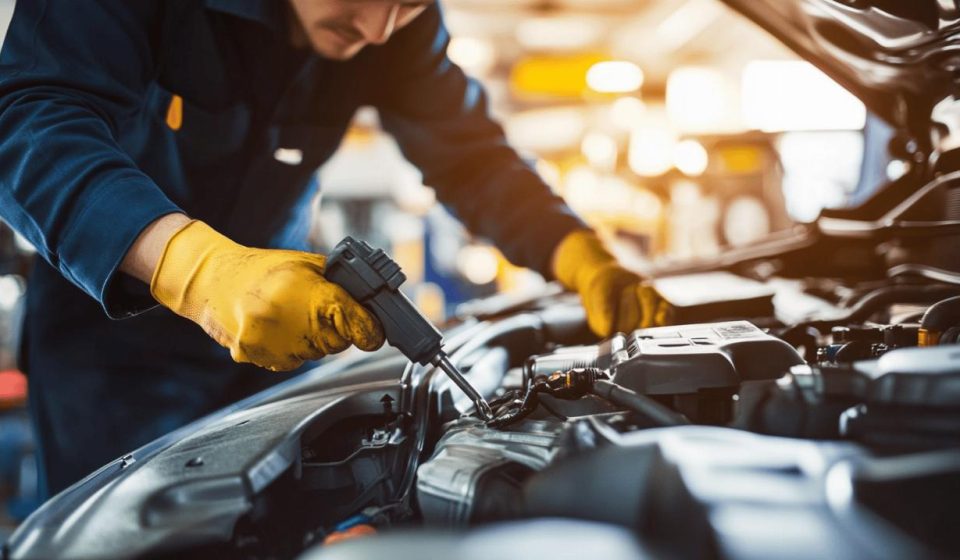

A neglected engine rarely fails without warning. It whispers first, then knocks, then leaves you stuck in a grocery store parking lot while traffic keeps moving without you. Smart Engine Care is less about loving cars and more about refusing to let small problems become expensive ones. For American drivers dealing with long commutes, summer heat, freezing mornings, stop-and-go traffic, and road trips that stretch across state lines, engine habits matter every week. A car can look clean, sound fine, and still be wearing itself down under the hood. That is where consistent attention pays off. Trusted automotive insight, local repair awareness, and practical ownership habits all work together, which is why resources like reliable vehicle guidance can help drivers think beyond quick fixes. Good maintenance does not require a racing background or a garage full of tools. It asks for rhythm, timing, and the willingness to act before the dashboard begs for help.
Engine Care Practices That Start Before Trouble Appears
Most drivers wait until the car feels different before they care about what is happening under the hood. That delay costs money. The better habit starts earlier, when the engine still sounds normal and every system has room to recover from wear. Reliable vehicle performance begins with simple checks done on schedule, not emergency repairs done under pressure.
Why regular engine maintenance saves more than repair bills
Routine engine maintenance protects the parts you cannot see while they are still working. Oil, coolant, belts, hoses, filters, and spark components all age quietly. A worn belt does not ask permission before snapping. Dirty oil does not announce that it has lost its ability to protect metal surfaces.
American driving makes this harder than many owners admit. A driver in Phoenix deals with heat that cooks fluids faster. A commuter in Chicago faces cold starts that strain batteries and lubrication. A family in Atlanta may sit in traffic long enough for the cooling system to work harder than expected. None of those conditions feel dramatic day by day, yet each one adds stress.
The counterintuitive part is that gentle drivers can still damage engines. Short trips, low speeds, and repeated cold starts may prevent moisture from burning off inside the system. A car used only for errands can suffer in a different way than one used for highway miles. Easy driving is not always easy on the engine.
Good repair shops often see the same story repeat. Someone skipped small services because the car “ran fine.” Then one warning light, one overheating episode, or one rough idle revealed months of quiet wear. The bill felt sudden. The problem was not.
How do simple under-hood checks prevent engine failure?
A five-minute check can catch the kind of issue that wrecks a weekend. Fluid levels, hose cracks, battery corrosion, unusual smells, and visible leaks all tell a story before a mechanic plugs in a scanner. You do not need to diagnose everything. You need to notice when something has changed.
Oil level matters because the engine depends on a thin film of lubrication between moving parts. Too little oil creates heat and friction where there should be protection. Too much oil can create pressure problems and foaming. Both situations can turn normal driving into slow internal damage.
Coolant deserves the same respect. Many drivers think coolant matters only in summer, but it also helps control freezing and corrosion. A weak cooling system can hurt an engine in July traffic or during a January cold snap. Temperature control is year-round protection.
A smart habit is to check under the hood once every couple of fuel stops or at least twice a month. Look for fresh stains under the vehicle after parking overnight. Pay attention to burnt smells after a drive. Listen when the engine idles after startup. Small clues carry weight when you catch them early.
Fluids, Filters, and Heat Control Make the Engine Last
Once you understand early prevention, the next layer is control. Engines live inside a constant fight against heat, friction, dirt, and pressure. Fluids and filters are the quiet workers in that fight. When they fall behind, the engine does not instantly break. It works harder, runs hotter, and wears faster until something gives.
Why oil quality matters more than old mileage rules
The old 3,000-mile oil change rule still lives in people’s heads, but modern cars need a smarter approach. Some engines can go longer with synthetic oil, while others need shorter intervals because of driving style, age, towing, turbochargers, or harsh climates. The owner’s manual gives the baseline. Your real driving decides whether that baseline is enough.
Stop-and-go driving counts as hard use. So does towing, dusty rural driving, extreme heat, and frequent short trips. A pickup hauling tools in Texas does not treat oil the same way a sedan cruising open highways in Oregon does. Same mileage, different strain.
Oil also ages by time, not only distance. A car driven 4,000 miles in a year still may need fresh oil because moisture, fuel dilution, and heat cycles affect the fluid. Low-mileage owners often miss that. The odometer does not tell the whole truth.
Clean oil protects bearings, piston rings, camshafts, timing components, and turbo parts where fitted. When oil turns dirty or breaks down, the engine loses that cushion. Metal starts having a harder conversation with metal. That conversation is expensive.
What role do air filters and fuel quality play?
Air filters do more than keep leaves out of the intake. They control how cleanly the engine breathes. A clogged filter can reduce response, strain the fuel mixture, and make the engine feel dull. In dusty areas, construction zones, wildfire smoke regions, or farm roads, filters can load up faster than the service schedule suggests.
Fuel quality also matters, though not in the flashy way some ads suggest. Most drivers should use the octane grade their manufacturer recommends, not the highest pump option by habit. Premium fuel does not magically improve a regular engine designed for standard gas. It can waste money without adding real benefit.
Bad fuel habits show up over time. Running near empty often may pull sediment from the tank and strain the fuel pump, which depends on fuel for cooling. Ignoring fuel system symptoms, like hesitation or hard starts, lets small flow problems grow. A weak fuel supply can make a healthy engine act sick.
Filters and fuel both affect combustion. When the engine gets clean air and steady fuel, it burns more evenly and wastes less effort. That helps reliable driving feel boring in the best way possible. Boring is what you want from an engine on a Monday morning.
Driving Habits Shape Car Engine Health Every Day
Maintenance is only half the story. The way you drive can either protect the engine or quietly punish it. Car engine health depends on heat cycles, throttle habits, load, idle time, and how you treat the vehicle during the first few minutes after startup. The driver is part of the system.
How does cold-start behavior affect engine wear?
Most engine wear happens when parts have not fully warmed and oil has not reached its best flow. That does not mean you need to idle for fifteen minutes in the driveway. For most modern cars, a brief pause after startup, followed by gentle driving, works better than long idle sessions.
Cold mornings tempt drivers to rush. The windshield clears, the seat warmer kicks in, and the highway entrance appears too soon. Pressing hard on a cold engine asks thick oil, tight clearances, and cold metal to handle stress before they are ready. The car may obey, but it keeps score.
A better habit is simple. Start the car, give it a short moment to settle, then drive gently until the temperature rises. Avoid hard acceleration, high RPM, and heavy loads during those first few miles. This matters more in northern states where winter cold turns every morning into a small mechanical test.
Warm weather has its own trap. Drivers assume summer means the engine is ready instantly. It is not. Oil still needs time to circulate, and turbocharged engines still appreciate gentler treatment before and after demanding driving. Heat outside does not replace proper internal warmup.
Why smooth driving protects reliable driving habits
Aggressive driving does not only burn extra fuel. It raises engine load, heat, and stress across the drivetrain. Hard launches, sudden throttle bursts, and late braking create repeated strain that shows up in mounts, cooling demand, transmission behavior, and engine wear. The thrill is short. The wear stays.
Smooth driving does not mean slow driving. It means reading the road earlier, keeping steady throttle, avoiding useless surges, and letting the car work within its comfort range. A driver who accelerates once and holds speed treats the engine better than one who pulses the pedal every few seconds.
Towing and heavy cargo need special care. Many American drivers use SUVs, crossovers, and pickups for weekend hauling, boats, campers, or home improvement runs. Extra weight raises engine heat and demands more from cooling, oil, and transmission systems. If you tow often, your service schedule should reflect that.
The unexpected truth is that patience is a maintenance tool. You can buy better oil and still shorten engine life with rough habits. You can also own an older car and keep it dependable by driving with mechanical sympathy. The pedal under your foot has consequences.
Warning Signs, Service Timing, and Smarter Repair Decisions
Even careful owners cannot prevent every problem. Parts age. Sensors fail. Heat cycles take their toll. The goal is not perfection; it is early action. When warning signs appear, the smartest driver responds before the issue spreads from one part to three. That is where repair decisions become less stressful and less costly.
What engine warning signs should never be ignored?
The check engine light gets mocked because it can mean anything from a loose gas cap to a major misfire. That range is exactly why you should not ignore it. A steady light calls for diagnosis soon. A flashing light usually means stop driving as soon as it is safe, because misfires can damage the catalytic converter.
Rough idle, knocking, ticking, overheating, smoke, stalling, burning smells, and sudden fuel economy drops all deserve attention. None of these signs improve because you wait. Engines rarely heal themselves. They adapt badly until the weak part forces the next part to suffer.
Pay close attention after recent service. A new noise, leak, smell, or warning light after a repair may point to a loose connector, wrong fluid level, missed clamp, or unrelated issue that surfaced during the visit. Good shops want to know quickly. Silence helps no one.
A real-world example hurts because it is common. A driver notices the temperature gauge climbing during traffic but keeps driving because the destination is close. Ten minutes later, the engine overheats badly enough to warp parts. The original fix may have been a hose or thermostat. The delay turned it into major engine work.
How can drivers choose service before repairs become expensive?
Good service timing starts with records. Keep receipts, mileage notes, and dates for oil changes, coolant service, spark plugs, belts, filters, battery checks, and major repairs. A folder in the glove box works. A phone note works. The method matters less than the habit.
Choose repair shops before you need one. A panic search after a breakdown gives you fewer choices and weaker judgment. Look for shops that explain findings clearly, provide written estimates, show worn parts when reasonable, and separate urgent issues from watch-list items. A trustworthy mechanic does not need to scare you into every service.
Second opinions make sense on expensive repairs. Not every quote is dishonest, but diagnosis can vary. When the repair involves timing chains, head gaskets, internal engine work, or major cooling failures, another qualified view can protect your budget. Pride should never cost you thousands.
Engine Care works best when you treat the car like a long-term tool, not a disposable appliance. The engine does not care whether you know every technical term. It responds to clean fluids, steady temperatures, decent driving habits, and fast attention when something changes. Make those habits normal, and the road gets far less dramatic.
Conclusion
A dependable engine is not built by luck. It is protected through small choices that rarely feel urgent in the moment. That is why the best owners do not wait for smoke, noise, or a warning light to start paying attention. They build a rhythm around checks, service records, fluid changes, smooth driving, and early diagnosis. The reward is not only fewer repair bills. It is confidence when you turn the key before work, head out on a family trip, or merge into fast traffic with no strange hesitation under the hood. Engine Care gives you that confidence because it turns maintenance from a reaction into a habit. Start with one change this week: check your oil, inspect your coolant level, listen during startup, or book the service you have been delaying. Your engine is already telling you how it wants to be treated. Listen before it has to shout.
Frequently Asked Questions
How often should American drivers check engine oil levels?
Check engine oil at least once a month and before long trips. Drivers who tow, commute in heavy traffic, or live in extreme heat should check more often. Always park on level ground and follow the owner’s manual for the correct reading method.
What are the first signs of poor car engine health?
Early signs include rough idle, slower acceleration, unusual ticking, burning smells, lower fuel economy, fluid leaks, smoke, or a check engine light. Small changes matter because engines often show mild symptoms before a serious failure appears.
Does premium gas improve engine performance in regular cars?
Premium gas helps only when the manufacturer recommends or requires it. Most regular engines gain no clear benefit from higher octane fuel. Using the correct grade matters more than paying for fuel the engine was not designed to need.
Why does my engine sound louder after cold starts?
Cold oil flows slower, metal parts have not fully expanded, and idle speed may run higher for a short time. A brief louder sound can be normal, but knocking, grinding, or long-lasting noise should be checked by a mechanic.
Can short trips damage an engine over time?
Frequent short trips can allow moisture and fuel residue to build up because the engine may not reach full operating temperature long enough. Occasional longer drives help, but oil changes based on time remain necessary for low-mileage vehicles.
How does overheating affect reliable vehicle performance?
Overheating can damage gaskets, warp metal parts, weaken oil protection, and create internal engine problems. Stop safely if the temperature gauge climbs or warning lights appear. Continuing to drive can turn a small cooling repair into major engine damage.
What maintenance helps an older engine last longer?
Older engines benefit from timely oil changes, coolant care, fresh filters, spark plug service, leak checks, belt inspection, and gentle driving during warmup. Consistent records also help mechanics spot patterns before they become costly failures.
Should I repair an engine warning light right away?
A steady check engine light should be diagnosed soon, even if the car feels normal. A flashing light needs immediate attention because it may signal a misfire that can harm the catalytic converter. Fast diagnosis protects both safety and repair costs.