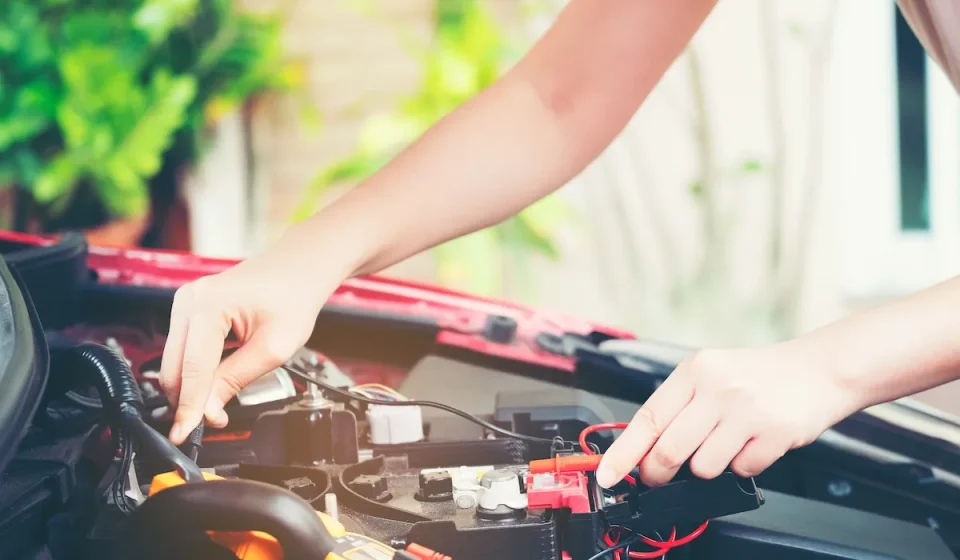

A weak battery rarely gives you a dramatic warning before it ruins your morning. It usually starts with a slower crank, a flicker on the dash, or that small pause before the engine turns over. Good Car Battery Maintenance is not about being a mechanic. It is about noticing the small things before they become a tow truck problem.
Across the USA, batteries deal with brutal heat in Arizona, freezing mornings in Michigan, salty air near the coast, and long stop-and-go commutes in crowded cities. Each one wears the battery in a different way. Drivers who follow practical auto care habits from trusted resources like PR Network tend to catch problems earlier because they treat the battery as part of daily reliability, not an afterthought buried under the hood.
Your car battery does one hard job at the worst possible moment: it has to deliver power instantly. When it cannot, nothing else matters. A clean, charged, well-secured battery gives your engine the strong start it needs, especially when weather, age, and short trips are working against it.
Car Battery Maintenance Starts With Knowing What Your Battery Is Fighting
A battery does not fail because one thing went wrong. It fails because small stresses pile up until the plates inside can no longer hold and deliver power with confidence. Most drivers only think about the battery when the car will not start, but by then the story has been building for months.
Why short trips quietly drain starting power
Short drives feel harmless, but they can be hard on a battery. Starting the engine takes a burst of energy, and the alternator needs time to replace what the battery spent. A five-minute run to school, work, or the store may not be enough.
This is why people who drive often still end up with a weak battery. The car moves every day, so the owner assumes the battery is staying charged. Not always. But often enough to cause trouble when the first cold morning arrives.
A healthy routine helps. If most of your driving happens in short bursts, take the car on a longer drive once a week when possible. Twenty to thirty minutes at steady speed gives the charging system a better chance to recover the battery. It is a simple habit, and it can save you from that dead silence after turning the key.
How weather changes battery behavior fast
Heat and cold attack batteries from different angles. Hot weather speeds up internal wear and fluid loss, especially under the hood where temperatures climb far above the air outside. Cold weather slows the chemical reaction inside the battery, so it has less available power exactly when the engine needs more force to start.
That is the ugly part. Summer can damage the battery, then winter exposes the damage. A driver in Texas may cook a battery through August and only notice the weakness during a January cold snap.
Checkups matter most before seasonal extremes. In hot states, inspect the battery before peak summer. In colder regions, test it before winter. Waiting until the first hard freeze is asking a tired battery to prove itself under pressure, and tired batteries hate pressure.
Clean Connections Make the Difference Between Power and Frustration
A battery can have enough charge and still fail to start the car if the connections are dirty, loose, or corroded. Power has to travel cleanly from the terminals to the starter. Any resistance along that path turns a good battery into a bad morning.
What corrosion tells you before the battery quits
White, blue, or green buildup around battery terminals is not decoration. It is a warning that the connection needs attention. Corrosion blocks the flow of electricity, and even a small amount can cause slow cranking, dim lights, or random starting trouble.
Cleaning it does not require fancy equipment. With the engine off and the keys removed, the cables can be disconnected carefully, starting with the negative terminal. A battery terminal brush or a simple cleaning solution can remove buildup, but gloves and eye protection are smart because battery residue is harsh.
The bigger lesson is timing. Clean terminals before the car struggles, not after. A clean connection gives the starter the strongest path to power, and that is what matters when you need the engine to catch on the first try.
Why loose cables create symptoms that feel random
Loose battery cables can make a car act haunted. One day it starts fine. The next day it clicks. Later, the dashboard lights up, but the engine does nothing. That inconsistency sends drivers chasing expensive problems when the real issue may be a clamp that no longer sits tight.
A battery cable should not twist by hand at the terminal. If it moves, it needs tightening. The battery itself should also sit firmly in its tray because vibration shortens battery life and can damage internal parts over time.
This is one of those checks that feels too simple to matter until it fixes the problem. Open the hood, look at the cables, and test for movement. A few seconds of attention can prevent hours of guessing later.
Charging Habits Decide How Long Your Battery Lasts
A battery needs a healthy charging cycle to stay useful. The alternator helps while the engine runs, but it cannot rescue a battery from every bad habit. Leaving lights on, letting the car sit for weeks, or relying on constant short drives slowly pulls the battery below the level it needs.
When a parked car still uses battery power
Modern cars use power even when they are parked. Security systems, computers, keyless entry sensors, and memory settings all draw small amounts of energy. The drain may be tiny each day, but it adds up when the car sits unused.
This matters for people who work from home, travel often, own a second vehicle, or leave a car parked during college breaks. A battery that seemed fine two weeks ago may not have enough charge left when the driver returns.
A battery maintainer can help if the car sits for long periods. It keeps the charge stable without overcharging. For many drivers, that little device is cheaper than one emergency jump, one missed appointment, or one replacement bought too early.
How to test battery strength before it becomes a problem
Guessing battery health is a bad plan. Voltage, starting performance, and reserve capacity tell a better story than age alone. Many auto parts stores in the USA test batteries at no cost, and the test only takes a few minutes.
A battery can show decent voltage and still fail under load. That is why a proper battery test matters. It checks how well the battery performs when asked to deliver power, not only how much charge it appears to hold while resting.
Drivers should test batteries once they pass the three-year mark, especially before winter or summer. Some last longer, some fail sooner, but age makes testing more important. A battery is not loyal because you bought it from a good brand. It is loyal until chemistry says otherwise.
Smart Replacement Timing Prevents Stranded Starts
No battery lasts forever, and pretending otherwise does not save money. It often costs more because failure tends to happen at the worst time: before work, during a road trip, after dark, or in a parking lot with no help nearby. Replacement should be planned, not forced by panic.
Warning signs that deserve fast attention
Slow cranking is the classic signal. The engine turns over, but it sounds tired. Dim headlights before starting, clicking sounds, dashboard warning lights, and repeated jump-starts also point toward a battery or charging issue.
The mistake is treating a jump-start like a repair. It is not. A jump only gets the engine running once. If the battery cannot hold charge after that, the same problem will return, usually when you have less patience and fewer options.
Pay attention to patterns. One slow start may come from cold weather. Three slow starts in a week mean the car is asking for help. The best drivers are not the ones who fix everything themselves; they are the ones who stop ignoring the obvious.
Choosing the right replacement for your vehicle
A replacement battery must match the vehicle’s needs. Size, terminal position, cold cranking amps, reserve capacity, and manufacturer specs all matter. Buying only by price can leave you with a battery that fits poorly or struggles under heavy demand.
Cold cranking amps matter more in northern states because engines need stronger starting power in low temperatures. Reserve capacity matters for vehicles with more electronics or drivers who spend time parked with accessories running. The right battery matches how and where you drive.
Professional installation can also prevent avoidable problems. Some newer vehicles need memory-saving steps or battery registration after replacement. That small detail surprises many owners, and it is one reason guessing under the hood can turn a simple job into a warning-light mess.
Conclusion
Reliable starting is not luck. It is the result of small habits repeated before trouble gets loud. Check the terminals, drive long enough to recharge, test before harsh seasons, and replace the battery before it turns every errand into a gamble.
Car Battery Maintenance works best when you treat the battery as a living part of the vehicle’s routine, not a sealed box that only matters when it dies. The engine, starter, alternator, and electronics all depend on that first burst of power. Protect that moment, and the whole car feels more dependable.
The next smart step is simple: open the hood this week, inspect the battery, check the cables, look for corrosion, and schedule a test if the battery is more than three years old. Do it before the next hard start decides your day for you.
Frequently Asked Questions
How often should I check my car battery for reliable starts?
Check it at least once a month and before long trips. Look for corrosion, loose cables, swelling, leaks, or slow cranking. A quick visual check takes less than two minutes and helps catch small battery problems before they turn into starting failure.
What causes a car battery to keep dying overnight?
Common causes include interior lights left on, faulty door switches, weak alternator output, aging battery cells, or parasitic electrical drain from vehicle systems. If the battery dies more than once, test both the battery and charging system instead of relying on repeated jump-starts.
Can short drives damage a car battery over time?
Short drives can weaken a battery because the alternator may not run long enough to replace the energy used during startup. Frequent five- or ten-minute trips slowly reduce charge, especially in cold weather or vehicles with many electrical features.
How do I know when my car battery needs replacement?
Slow engine cranking, repeated jump-starts, dim lights, clicking sounds, corrosion, and a battery older than three to five years are strong warning signs. A load test gives the clearest answer because it shows whether the battery can still perform under starting demand.
Should I clean car battery corrosion myself?
You can clean light corrosion if you use gloves, eye protection, and safe handling steps. Turn the vehicle off, disconnect the negative cable first, and avoid touching battery residue with bare skin. Heavy corrosion or damaged cables should be handled by a technician.
Does cold weather make car batteries fail faster?
Cold weather reduces available battery power and makes the engine harder to start. It may not be the original cause of failure, but it exposes weakness fast. Testing the battery before winter gives you a better chance of avoiding surprise no-start mornings.
Is a battery maintainer worth using for parked cars?
A battery maintainer is useful for vehicles that sit unused for weeks. It keeps the battery charged at a safe level without the risks of overcharging. It is especially helpful for second cars, seasonal vehicles, work-from-home drivers, and long airport parking stays.
Can a bad alternator seem like a battery problem?
A failing alternator can mimic battery trouble because the battery loses charge while driving. Signs include dim lights, warning lights, weak starts after recent driving, or a new battery dying quickly. Testing both parts prevents replacing the battery when the charging system is the real issue.