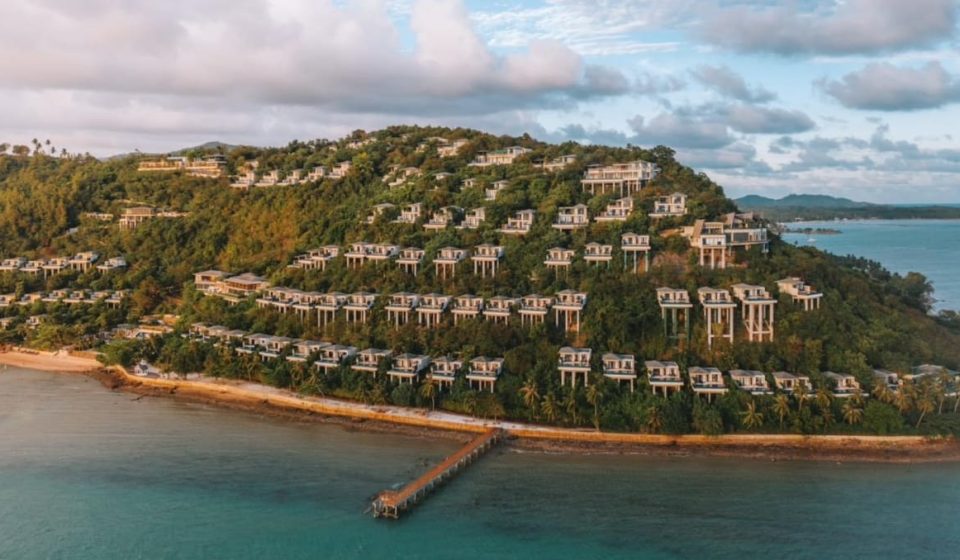

It starts innocently enough. You open a browser, type “Bali wedding packages,” and within thirty seconds you’re looking at a grid of photographs so uniformly beautiful that they become almost meaningless. Clifftop ceremonies at golden hour. Flower-strewn villa pools. Couples gazing at each other against backdrops of terraced rice fields that glow an impossible green. Every package has a name — “Eternal Romance,” “Island Dream,” “Tropical Bliss” — and a price that seems reasonable until you start reading what’s actually included and what isn’t, and the reasonable price begins acquiring line items the way a checked bag acquires fees. By the time you’ve opened twelve tabs and cross-referenced four spreadsheets and asked three different vendors the same question about floral arrangements, you’ve spent four hours and know approximately as much as you did when you started.
The problem with comparing wedding packages online is that the comparison is almost always between things that are not actually comparable. Two packages at similar price points can represent completely different levels of quality, coverage, and local expertise depending on who assembled them, which vendors they use, and whether the people behind them have genuine relationships on the ground or have simply built a website around stock photography and outsourced coordination. The only way to cut through this is to look at specifics rather than presentations — and the specifics that matter most are rarely the ones featured in the headline. Before committing to any Bali wedding packages, the questions worth asking are: Who specifically is the photographer and can I see full galleries rather than curated highlights? Which venue exactly, and what does the space look like on a non-styled day? Who are the catering and floral teams and what is their track record with international couples?
The architecture of a well-constructed Bali wedding package reflects an understanding that a wedding day is not a collection of services but a sequence of experiences that need to flow into each other with minimal friction and maximum emotional continuity. The ceremony and the reception are not separate events — they are chapters in a single narrative, and the transitions between them, the pacing, the way the light changes and the music shifts and the guests move from one space to another, all of this is design work that requires as much thought as the individual elements. A package that lists “ceremony, reception, flowers, photography” without specifying how these components connect and who is responsible for the connective tissue is a package that has been priced rather than designed.
Venue selection within a package context deserves particular scrutiny. Some packages are built around specific venues that the operator owns or has an exclusive arrangement with — which can work beautifully if the venue genuinely suits the couple, and can be a source of quiet disappointment if it doesn’t and there’s no flexibility to adjust. Others offer venue options across a range of settings, which sounds like more freedom but requires someone with genuine knowledge of each option to guide the selection meaningfully. The Bukit Peninsula, Ubud, Seminyak, and the north coast all offer distinct wedding environments with different aesthetic qualities, different practical considerations, and different guest experience profiles. A clifftop ceremony in Uluwatu with a hundred guests requires different logistics than an intimate garden ceremony for thirty people in a private Ubud compound — and a package that treats these as interchangeable options isn’t one that has been thought through carefully.
Photography is the component of a Bali wedding package most likely to be misrepresented, most difficult to evaluate in advance, and most impossible to revisit after the fact. The photographs and video are what remain when the flowers have wilted and the guests have flown home, and their quality is determined not by equipment or even technical skill alone but by the photographer’s ability to read a room, anticipate moments, move unobtrusively through a ceremony without disrupting it, and make two people who are simultaneously the most significant and the most self-conscious they’ve ever been in their lives look natural and present. This is a specific talent that varies enormously between operators at similar price points. The right evaluation method is not the number of photos included in the package but the consistency of quality across full wedding galleries, reviewed across multiple events rather than the best shots from each.
The floral question in Bali is interesting because the island’s flower culture is genuinely extraordinary — frangipani, heliconia, bird of paradise, lotus, orchids in varieties unavailable in most of the world — and a florist who understands both the local botanical vocabulary and the couple’s aesthetic vision can produce something that wouldn’t be possible anywhere else. But floral quality in Bali wedding packages varies from genuinely artisanal work that reflects deep knowledge of the island’s plant life to bulk arrangements assembled quickly from the same suppliers used for hotel lobbies. The difference is visible in person and impossible to distinguish from a package brochure. It’s another reason why the details — specific florist name, portfolio review, references from previous couples — matter more than the headline description.
A Bali wedding package is ultimately only as good as the people behind it. The island can provide the landscape, the light, and the cultural depth. The package can assemble the components. But the day becomes extraordinary when the team coordinating it is genuinely invested in its success — not because it reflects well on their portfolio, though it does, but because they understand that what they’re managing is not an event but a memory that two people will carry for the rest of their lives. That understanding, evident in how a planning team communicates, how they handle problems, and how they describe their work, is the most important thing to look for and the hardest to fake.